Loading…

Loading…

Farmlens Eyes On Earth
Welcome
Sign in to continue
Login Register
Download PDF
Rye

Crop details

Rye

Secale cereale
Family: Poaceae

Quick stats

Family Poaceae
Typical harvest 2.0 t/ha
Varieties 1
Pests & diseases 1
Seasons 1

Crop profile

Growth habit annual
Days to harvest 110-160
Main uses Cereal grain; cover crop
Pollination wind
Origin / where it grows Temperate zones

Weather, soil & spacing

Best temperature 10–18 °C
Rainfall 450–700 mm/yr
Altitude 800–2600 m
Best pH 5.5–6.8
Soil type Sandy loam to loam
Row spacing 20 cm
Plant spacing 5 cm
Planting depth 3 cm
Seed rate 70 kg/ha
Nursery days

Simple notes for farmers

About the crop: This crop is annual. You plant, grow and harvest it in one main season, then plant again. You can normally start harvesting about 110-160 days after planting, depending on care and variety.

Main use: Farmers mostly grow this crop for cereal grain; cover crop.

Pollination: This crop is mainly pollinated by wind. Keeping flowers healthy and having insects like bees in the field helps improve fruit set and yields.

Where it grows: Temperate zones It is grouped under: Cereals & Pseudocereals.

Best climate: This crop does well in warm areas where the temperature is usually between 10 and 18 degrees Celsius. It prefers places that receive around 450 to 700 millimetres of rain in a year. It can grow from near sea level up to about 2600 metres above sea level.

Soil: The crop grows best in slightly acidic to near neutral soils, with a pH of about 5.5 to 6.8. It does well in sandy loam to loam. Good drainage is important, so avoid waterlogged spots.

Plant spacing: Plant in rows about 20 centimetres apart, and leave about 5 centimetres between plants in the row. This gives each plant enough space for roots and canopy to spread.

Planting depth: Dig planting holes or furrows about 3 centimetres deep so the roots sit firmly in the soil but are not buried too deep.

Seed or planting material: Use around 70 kilograms of seed or planting material per hectare. Spread or plant evenly so the field has a good stand without being overcrowded.

Farmer guide (mwongozo wa mkulima)

Nutrient schedule (mbolea kwa hatua)

# Stage DAP Product Rate Targets (kg/ha) Notes
1 Basal 0 NPK 17-17-17 60 kg/ha N: —, P₂O₅: —, K₂O: —
2 Tillering 35 Urea 40 kg/ha N: —, P₂O₅: —, K₂O: —

Nutrient requirements

Nutrient Stage Amount Unit
N Basal 25 kg/ha
P₂O₅ Basal 20 kg/ha
K₂O Basal 20 kg/ha
N Topdress 30 kg/ha

Field images (picha shambani)

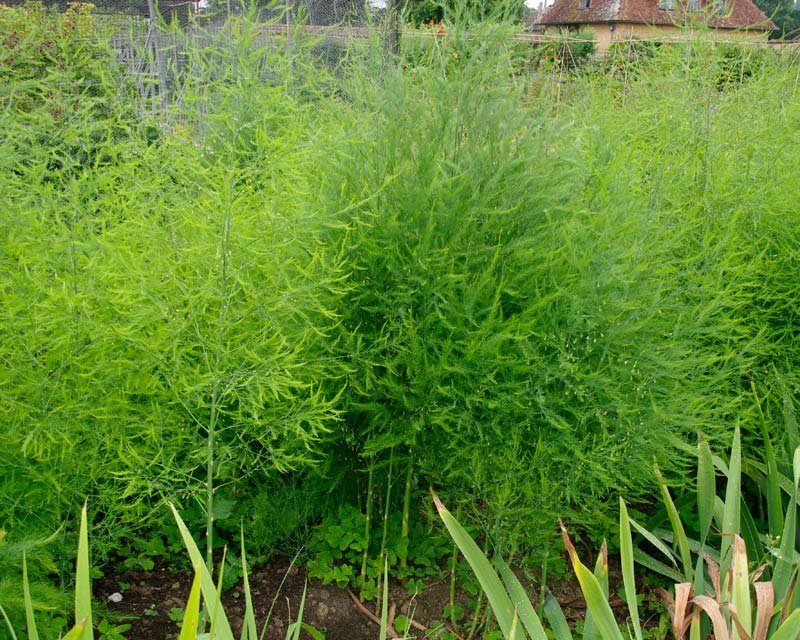
Rye
Name Country Maturity Traits
Highland Rye KE 140 Cool tolerant
Stage Product Rate (kg/ha) Notes
Basal NPK 17-17-17 60
Name Type Symptoms Management
Ergot disease Sclerotia in heads Clean seed; rotation
System Typical Min Max Notes
rainfed highland 2 1.2 3.5
Country Region Planting Harvest
KE Highlands Jun–Jul Oct–Dec
Country Region Suitability
KE Highlands Medium