
Quick stats
| Family | Asteraceae |
|---|---|
| Typical harvest | 10.0 t/ha |
| Varieties | 2 |
| Pests & diseases | 2 |
| Seasons | 2 |
Crop profile
| Growth habit | perennial |
|---|---|
| Days to harvest | 180 |
| Main uses | Immature flower buds eaten fresh, boiled, grilled, or processed. |
| Pollination | insect |
| Origin / where it grows | Best suited to cool to mild highland zones and irrigated peri-urban horticulture. |
Weather, soil & spacing
| Best temperature | 12–24 °C |
|---|---|
| Rainfall | 600–850 mm/yr |
| Altitude | 1200–2800 m |
| Best pH | 6.4–7.2 |
| Soil type | Deep, fertile, well-drained loam with strong organic matter content. |
| Row spacing | 120 cm |
| Plant spacing | 90 cm |
| Planting depth | 3 cm |
| Seed rate | 2.5 kg/ha |
| Nursery days | 35 |
Simple notes for farmers
About the crop: This crop is perennial, which means once you plant it, the same plant can keep producing for many years. You can normally start harvesting about 180 days after planting, depending on care and variety.
Main use: Farmers mostly grow this crop for immature flower buds eaten fresh, boiled, grilled, or processed..
Pollination: This crop is mainly pollinated by insect. Keeping flowers healthy and having insects like bees in the field helps improve fruit set and yields.
Where it grows: Best suited to cool to mild highland zones and irrigated peri-urban horticulture. It is grouped under: Vegetables.
Best climate: This crop does well in warm areas where the temperature is usually between 12 and 24 degrees Celsius. It prefers places that receive around 600 to 850 millimetres of rain in a year. It can grow from near sea level up to about 2800 metres above sea level.
Soil: The crop grows best in slightly acidic to near neutral soils, with a pH of about 6.4 to 7.2. It does well in deep, fertile, well-drained loam with strong organic matter content.. Good drainage is important, so avoid waterlogged spots.
Plant spacing: Plant in rows about 120 centimetres apart, and leave about 90 centimetres between plants in the row. This gives each plant enough space for roots and canopy to spread.
Planting depth: Dig planting holes or furrows about 3 centimetres deep so the roots sit firmly in the soil but are not buried too deep.
Seed or planting material: Use around 2.5 kilograms of seed or planting material per hectare. Spread or plant evenly so the field has a good stand without being overcrowded.
Nursery period: If you raise seedlings in a nursery, keep them there for about 35 days before transplanting to the main field, when they are strong and healthy.
Farmer guide (mwongozo wa mkulima)
Nutrient schedule (mbolea kwa hatua)
| # | Stage | DAP | Product | Rate | Targets (kg/ha) | Notes |
|---|---|---|---|---|---|---|
| 1 | Basal | 0 | NPK 17-17-17 | 250 kg/ha | N: 42.5, P₂O₅: 42.5, K₂O: 42.5 | Band away from roots during transplanting. |
| 2 | Bud development | 60 | CAN | 150 kg/ha | N: 39, P₂O₅: —, K₂O: — | Topdress when canopy is established. |
Nutrient requirements
| Nutrient | Stage | Amount | Unit |
|---|---|---|---|
| N | Basal | 50 | kg/ha |
| P₂O₅ | Basal | 40 | kg/ha |
| K₂O | Basal | 60 | kg/ha |
| N | Bud_development | 40 | kg/ha |
| K₂O | Bud_development | 40 | kg/ha |
Field images (picha shambani)
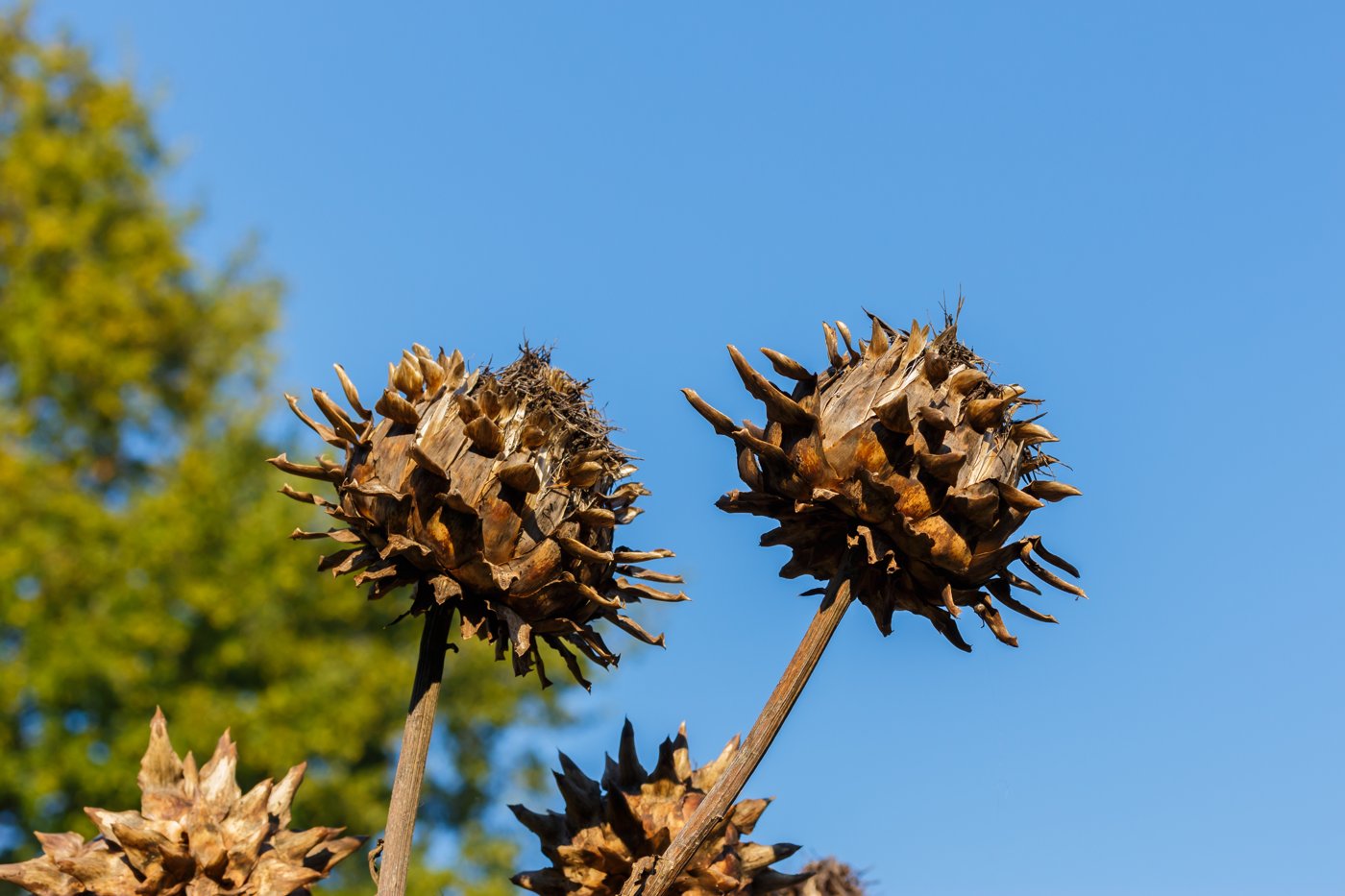
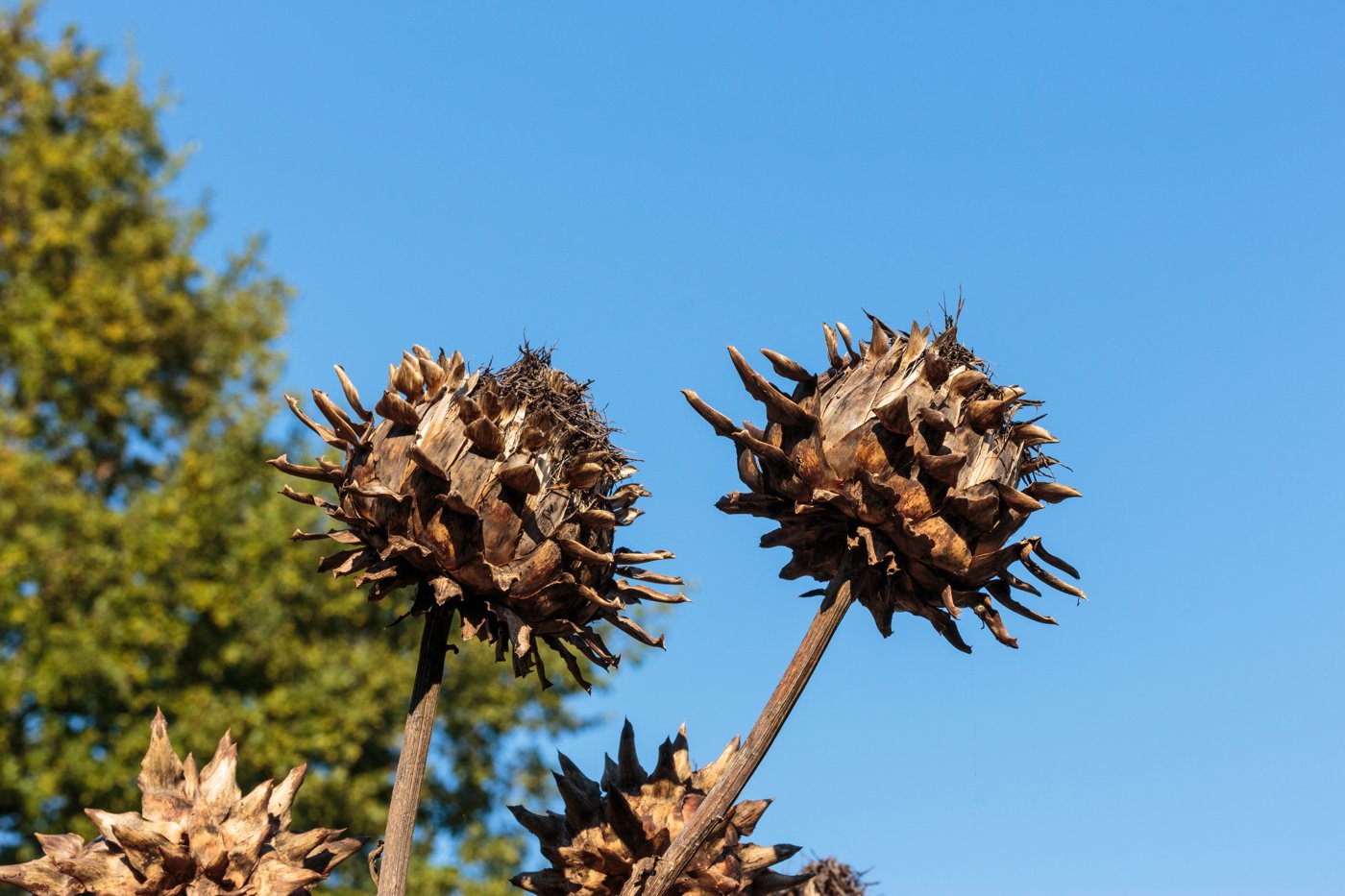
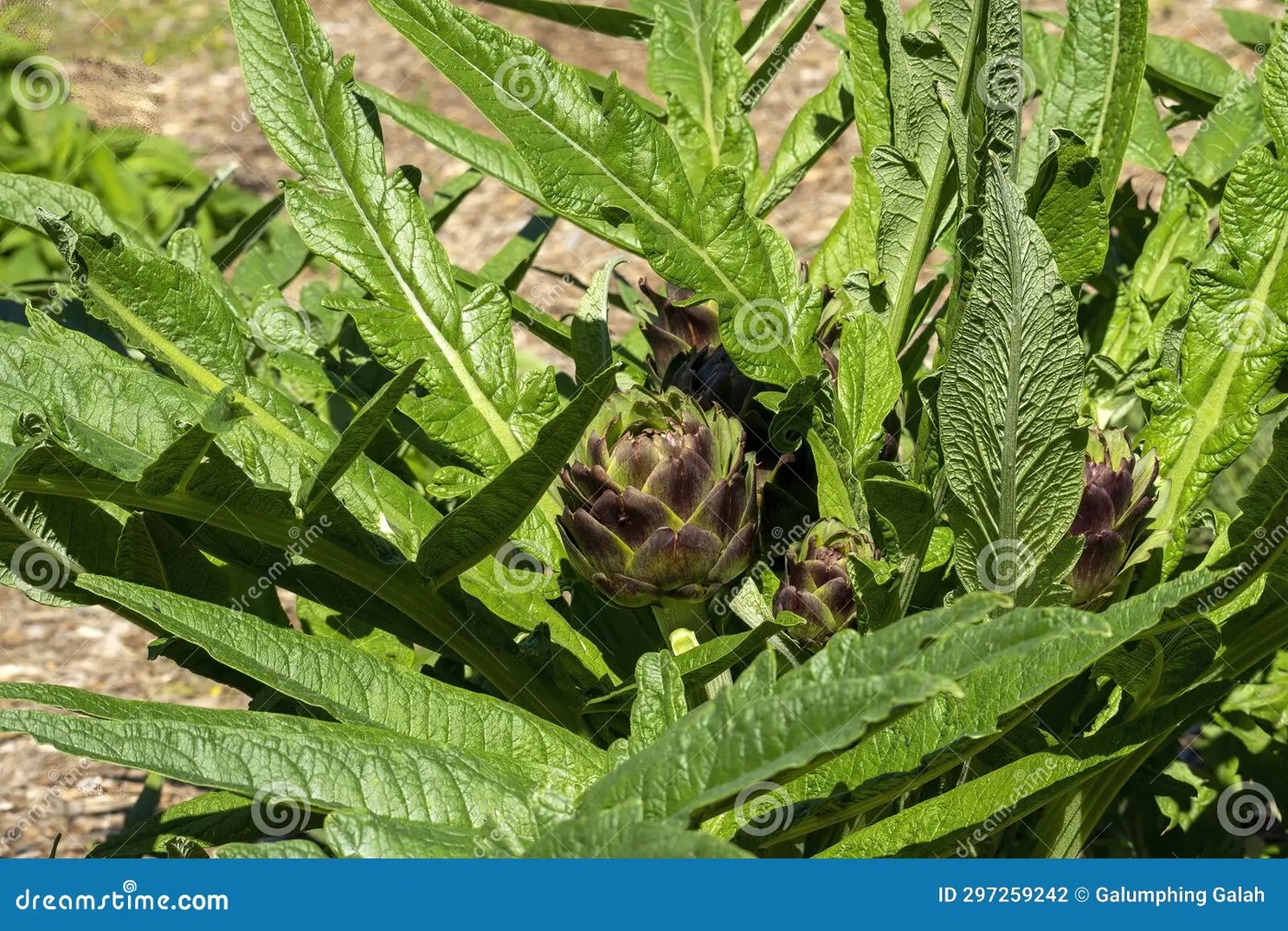
| Name | Country | Maturity | Traits |
|---|---|---|---|
| Green Globe | KE | 180 | Large globe buds for fresh market. |
| Imperial Star | TZ | 160 | Earlier type for mild climates. |
| Stage | Product | Rate (kg/ha) | Notes |
|---|---|---|---|
| Basal | Well-rotted manure | 8000 | Incorporate thoroughly before planting. |
| Bud development | CAN | 150 | Split into two light topdressings if needed. |
| Name | Type | Symptoms | Management |
|---|---|---|---|
| Aphids | pest | Colonies on tender shoots and sticky honeydew on leaves and buds. | Promote beneficial insects and use selective control where pressure is high. |
| Botrytis bud rot | disease | Brown soft rot on buds under cool humid conditions. | Improve airflow, avoid overhead irrigation and remove infected buds. |
| System | Typical | Min | Max | Notes |
|---|---|---|---|---|
| Irrigated smallholder vegetable production | 10 | 6 | 15 | Marketable immature buds under moderate management. |
| Country | Region | Planting | Harvest |
|---|---|---|---|
| KE | Central Highlands | Feb-Mar or Aug-Sep | Jun-Aug or Dec-Jan |
| UG | South-Western Highlands | Mar-Apr | Aug-Oct |
| Country | Region | Suitability |
|---|---|---|
| KE | Central Highlands | Medium |