
Quick stats
| Family | Cucurbitaceae |
|---|---|
| Typical harvest | 20.7 t/ha |
| Varieties | 3 |
| Pests & diseases | 7 |
| Seasons | 3 |
Crop profile
| Growth habit | annual |
|---|---|
| Days to harvest | 65 |
| Main uses | Fruits eaten raw in salads, sandwiches and kachumbari, or lightly cooked and pickled. |
| Pollination | insect |
| Origin / where it grows | Cucumber is widely grown in warm and medium-altitude vegetable areas of East Africa, especially around homesteads and irrigated plots. |
Weather, soil & spacing
| Best temperature | 18–28 °C |
|---|---|
| Rainfall | 700–1000 mm/yr |
| Altitude | 0–2000 m |
| Best pH | 6–6.8 |
| Soil type | Loose, well-drained loam or sandy loam rich in organic matter so Cucumber roots can spread easily. |
| Row spacing | 150 cm |
| Plant spacing | 50 cm |
| Planting depth | 2 cm |
| Seed rate | 3.5 kg/ha |
| Nursery days | — |
Simple notes for farmers
About the crop: This crop is annual. You plant, grow and harvest it in one main season, then plant again. You can normally start harvesting about 65 days after planting, depending on care and variety.
Main use: Farmers mostly grow this crop for fruits eaten raw in salads, sandwiches and kachumbari, or lightly cooked and pickled..
Pollination: This crop is mainly pollinated by insect. Keeping flowers healthy and having insects like bees in the field helps improve fruit set and yields.
Where it grows: Cucumber is widely grown in warm and medium-altitude vegetable areas of East Africa, especially around homesteads and irrigated plots. It is grouped under: Vegetables.
Best climate: This crop does well in warm areas where the temperature is usually between 18 and 28 degrees Celsius. It prefers places that receive around 700 to 1000 millimetres of rain in a year. It can grow from near sea level up to about 2000 metres above sea level.
Soil: The crop grows best in slightly acidic to near neutral soils, with a pH of about 6 to 6.8. It does well in loose, well-drained loam or sandy loam rich in organic matter so cucumber roots can spread easily.. Good drainage is important, so avoid waterlogged spots.
Plant spacing: Plant in rows about 150 centimetres apart, and leave about 50 centimetres between plants in the row. This gives each plant enough space for roots and canopy to spread.
Planting depth: Dig planting holes or furrows about 2 centimetres deep so the roots sit firmly in the soil but are not buried too deep.
Seed or planting material: Use around 3.5 kilograms of seed or planting material per hectare. Spread or plant evenly so the field has a good stand without being overcrowded.
Farmer guide (mwongozo wa mkulima)
Nutrient schedule (mbolea kwa hatua)
| # | Stage | DAP | Product | Rate | Targets (kg/ha) | Notes |
|---|---|---|---|---|---|---|
| 1 | Basal at planting | 0 | NPK 17-17-17 or 15-15-15 | 150 kg/ha | N: 26, P₂O₅: 26, K₂O: 26 | Apply along the bed or ridge and mix with soil before planting Cucumbers. |
| 2 | Vegetative topdress | 20 | CAN 26% N | 80 kg/ha | N: 21, P₂O₅: 0, K₂O: 0 | Apply along rows on moist soil and lightly cover. |
| 3 | Fruiting topdress (high K) | 35 | NPK 12-12-24 or SOP-based mix | 120 kg/ha | N: 14, P₂O₅: 14, K₂O: 29 | Apply at first flowering to support continuous Cucumber fruiting. |
Nutrient requirements
| Nutrient | Stage | Amount | Unit |
|---|---|---|---|
| N | Basal | 40 | kg/ha |
| P₂O₅ | Basal | 50 | kg/ha |
| K₂O | Basal | 40 | kg/ha |
| N | Topdress_vegetative | 30 | kg/ha |
| P₂O₅ | Topdress_vegetative | 0 | kg/ha |
| K₂O | Topdress_vegetative | 30 | kg/ha |
| N | Topdress_fruiting | 20 | kg/ha |
| P₂O₅ | Topdress_fruiting | 0 | kg/ha |
| K₂O | Topdress_fruiting | 40 | kg/ha |
Field images (picha shambani)
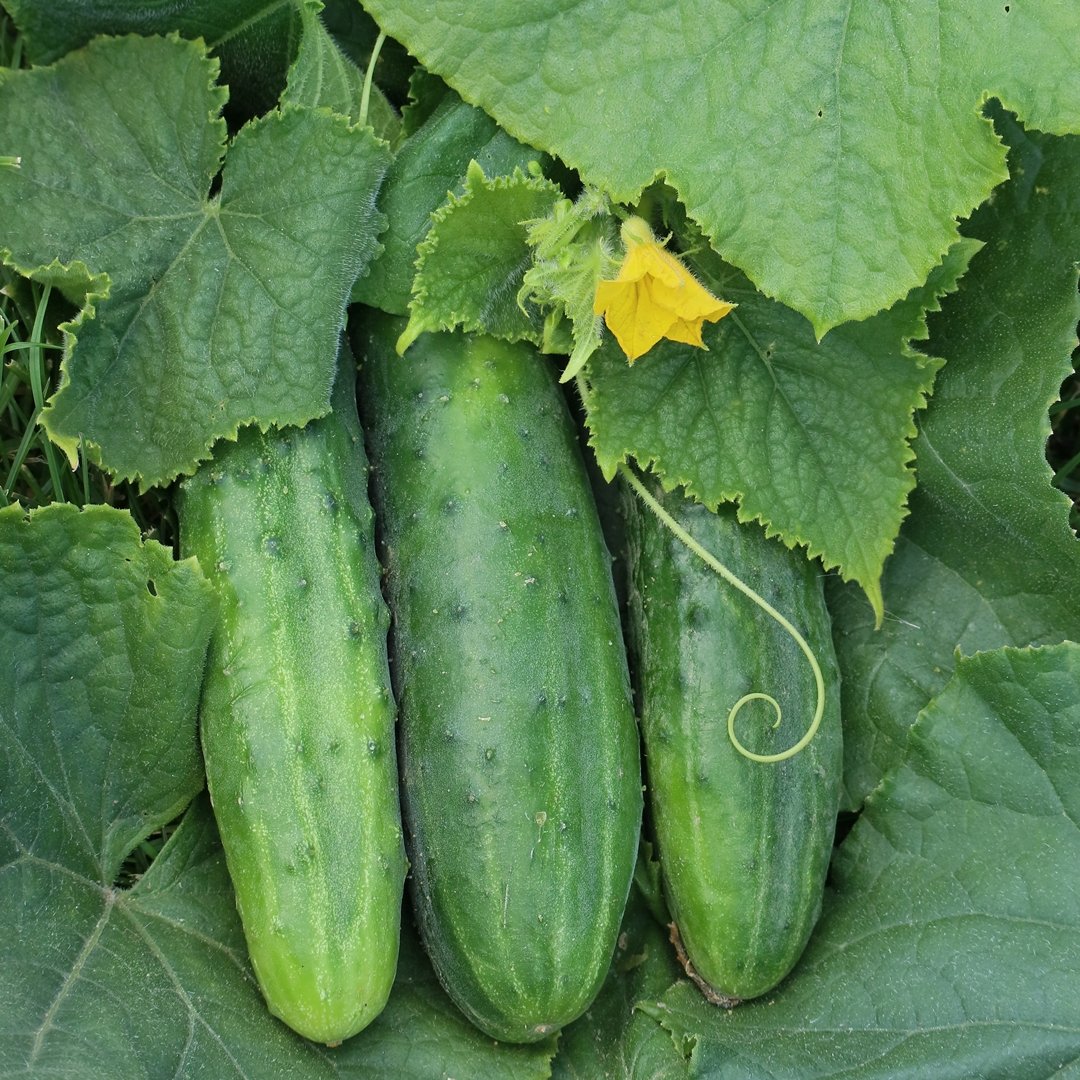
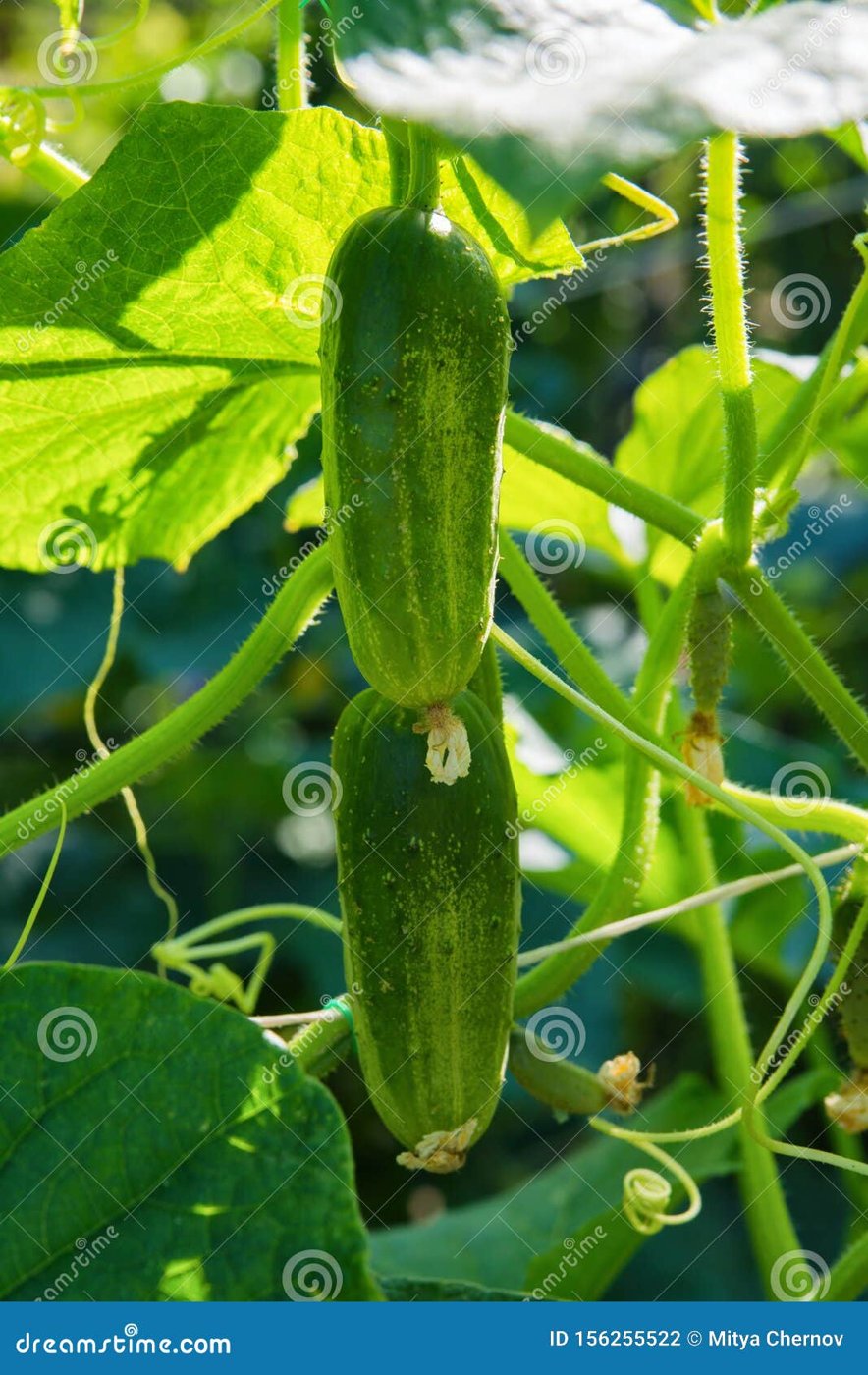
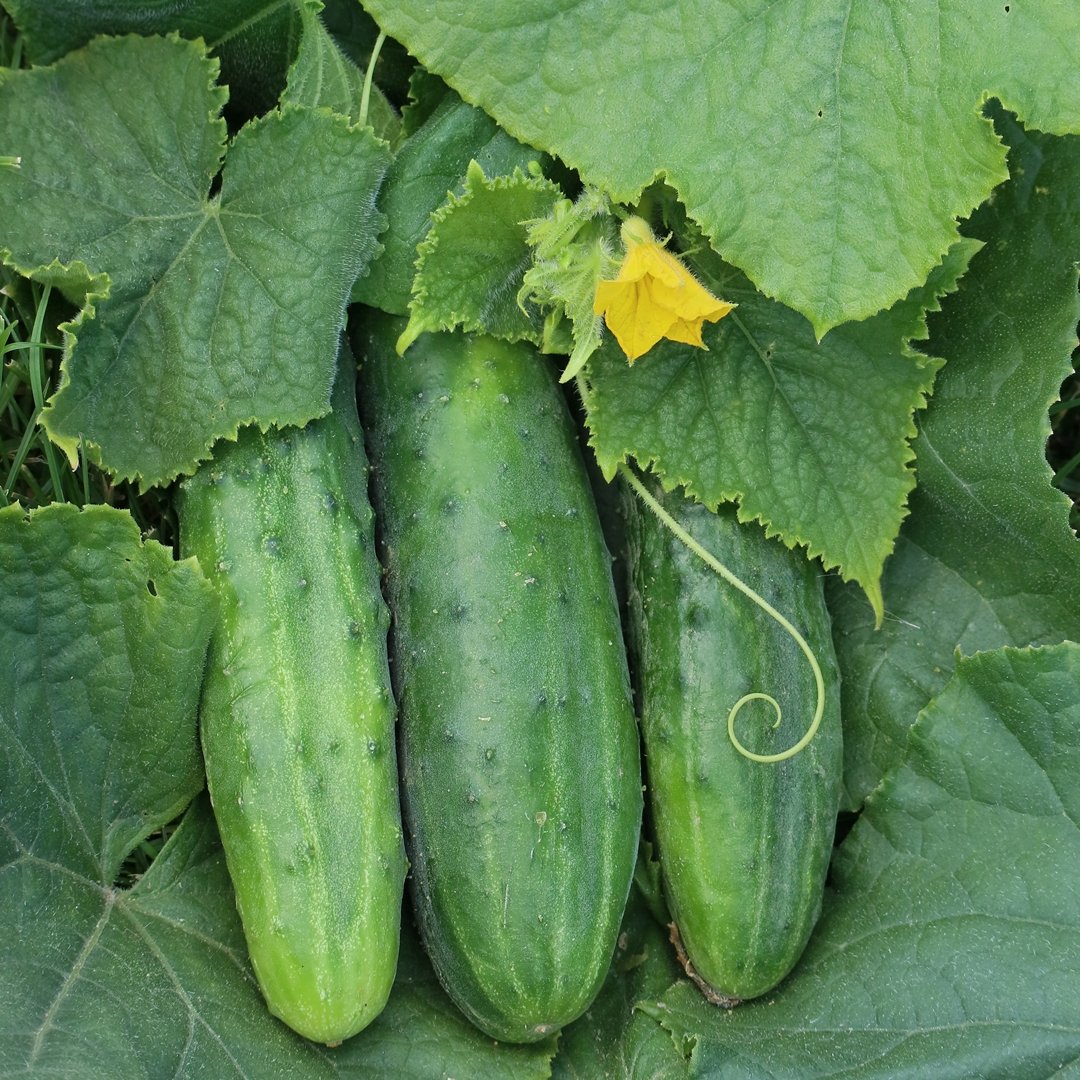
| Name | Country | Maturity | Traits |
|---|---|---|---|
| Long green slicing Cucumber | KE | 60 | Long, smooth fruits preferred for salads and fresh markets. |
| Short pickling Cucumber | KE | 55 | Shorter fruits suitable for pickles and mixed vegetable packs. |
| Hybrid Cucumber (indeterminate type) | TZ | 65 | High-yielding variety for trellised or greenhouse systems. |
| Stage | Product | Rate (kg/ha) | Notes |
|---|---|---|---|
| Basal | NPK 17-17-17 or 15-15-15 | 150 | Provides balanced nutrients at the start of the Cucumber crop. |
| Topdress (vegetative) | CAN 26% N | 80 | Supports vigorous vine growth before heavy fruiting. |
| Topdress (fruiting, high K) | NPK 12-12-24 or SOP-based high K mix | 120 | Improves fruit size, skin quality and shelf life. |
| Organic | Well-rotted manure or compost | 8000 | Apply and incorporate before planting to improve soil structure and water holding. |
| Name | Type | Symptoms | Management |
|---|---|---|---|
| Aphids | pest | Small insects on young shoots and the underside of leaves causing curling, yellowing and sticky honeydew. | Encourage natural enemies, avoid excessive nitrogen and use selective insecticides or biopesticides when numbers are hig... |
| Whiteflies | pest | Tiny white insects flying up when plants are disturbed, with yellowing leaves and sooty mould on Cucumbers. | Monitor regularly, remove heavily infested leaves and use recommended products when necessary. |
| Spider mites | pest | Fine speckling, yellowing and webbing on leaves during hot, dry weather. | Maintain some humidity, avoid dusty conditions and use miticides/biopesticides if infestations are severe. |
| Fruit flies and chewing insects | pest | Stings, scars and rotting spots on fruits, sometimes with maggots inside. | Harvest fruits regularly, keep field clean of fallen fruits and use baiting or recommended sprays where needed. |
| Downy mildew | disease | Yellow angular spots on upper leaf surface with grey mould underneath in humid conditions. | Plant in well-aerated fields, avoid overhead irrigation late in the day and apply suitable fungicides when needed. |
| Powdery mildew | disease | White powdery growth on both leaf surfaces leading to yellowing and early leaf drop. | Improve airflow, avoid excess nitrogen and use fungicides if disease spreads. |
| Anthracnose / fruit rots | disease | Dark sunken spots on leaves and fruits; fruits may rot in the field. | Rotate crops, use clean seed, avoid overhead irrigation in the evening and remove badly affected fruits. |
| System | Typical | Min | Max | Notes |
|---|---|---|---|---|
| Backyard / low-input Cucumbers | 12 | 8 | 15 | Some manure, little fertilizer and irregular picking. |
| Open-field Cucumbers with good management | 20 | 15 | 25 | Improved variety, recommended fertilizer and timely pest control. |
| Irrigated / high-input Cucumbers | 30 | 25 | 40 | Drip irrigation, fertigation and careful disease control. |
| Country | Region | Planting | Harvest |
|---|---|---|---|
| KE | Warm lowland and mid-altitude Cucumber areas | Onset of rains or any time with irrigation and warm temperatures. | First fruits from about 6–7 weeks after planting with regular picking. |
| KE | Peri-urban irrigated vegetable belts | Most of the year where frosts do not occur. | Extended harvest with staggered plantings and good pest control. |
| TZ | Coastal and lake basin Cucumber zones | Main rainy seasons and under irrigation in warm months. | Regular picking over several weeks during warm periods. |
| Country | Region | Suitability |
|---|---|---|
| KE | Peri-urban irrigated Cucumber belts | High |
| KE | Warm lowland and mid-altitude vegetable zones | High |
| TZ | Coastal and lake basin horticultural areas | High |
| UG | Warm smallholder vegetable zones around towns | High |