
Quick stats
| Family | Fabaceae |
|---|---|
| Typical harvest | 7.7 t/ha |
| Varieties | 3 |
| Pests & diseases | 8 |
| Seasons | 3 |
Crop profile
| Growth habit | annual |
|---|---|
| Days to harvest | 65 |
| Main uses | Young green pods picked while tender for home use and fresh export markets; eaten boiled, fried or in mixed dishes. |
| Pollination | self |
| Origin / where it grows | French beans are widely grown in East African high and medium altitude areas, especially around irrigation schemes and cooler zones supplying towns and export markets. |
Weather, soil & spacing
| Best temperature | 18–28 °C |
|---|---|
| Rainfall | 600–900 mm/yr |
| Altitude | 1000–2200 m |
| Best pH | 6–6.8 |
| Soil type | Well-drained, fertile loam or sandy loam with good organic matter so French beans can root well and fix nitrogen. |
| Row spacing | 40 cm |
| Plant spacing | 10 cm |
| Planting depth | 3 cm |
| Seed rate | 60 kg/ha |
| Nursery days | — |
Simple notes for farmers
About the crop: This crop is annual. You plant, grow and harvest it in one main season, then plant again. You can normally start harvesting about 65 days after planting, depending on care and variety.
Main use: Farmers mostly grow this crop for young green pods picked while tender for home use and fresh export markets; eaten boiled, fried or in mixed dishes..
Pollination: This crop is mainly pollinated by self. Keeping flowers healthy and having insects like bees in the field helps improve fruit set and yields.
Where it grows: French beans are widely grown in East African high and medium altitude areas, especially around irrigation schemes and cooler zones supplying towns and export markets. It is grouped under: Vegetables.
Best climate: This crop does well in warm areas where the temperature is usually between 18 and 28 degrees Celsius. It prefers places that receive around 600 to 900 millimetres of rain in a year. It can grow from near sea level up to about 2200 metres above sea level.
Soil: The crop grows best in slightly acidic to near neutral soils, with a pH of about 6 to 6.8. It does well in well-drained, fertile loam or sandy loam with good organic matter so french beans can root well and fix nitrogen.. Good drainage is important, so avoid waterlogged spots.
Plant spacing: Plant in rows about 40 centimetres apart, and leave about 10 centimetres between plants in the row. This gives each plant enough space for roots and canopy to spread.
Planting depth: Dig planting holes or furrows about 3 centimetres deep so the roots sit firmly in the soil but are not buried too deep.
Seed or planting material: Use around 60 kilograms of seed or planting material per hectare. Spread or plant evenly so the field has a good stand without being overcrowded.
Farmer guide (mwongozo wa mkulima)
Nutrient schedule (mbolea kwa hatua)
| # | Stage | DAP | Product | Rate | Targets (kg/ha) | Notes |
|---|---|---|---|---|---|---|
| 1 | Basal at planting | 0 | NPK 17-17-17 or 15-15-15 | 80 kg/ha | N: 14, P₂O₅: 14, K₂O: 14 | Band or place fertilizer below and to the side of the seed, not in direct contact. |
| 2 | Early topdress | 18 | CAN 26% N | 60 kg/ha | N: 16, P₂O₅: 0, K₂O: 0 | Apply along rows between plants on moist soil. |
| 3 | Topdress at early flowering | 30 | NPK 12-12-24 or SOP-based mix | 60 kg/ha | N: 7, P₂O₅: 7, K₂O: 14 | Focus on potassium to improve pod quality and shelf life. |
Nutrient requirements
| Nutrient | Stage | Amount | Unit |
|---|---|---|---|
| N | Basal | 20 | kg/ha |
| P₂O₅ | Basal | 40 | kg/ha |
| K₂O | Basal | 30 | kg/ha |
| N | Topdress_early | 20 | kg/ha |
| P₂O₅ | Topdress_early | 0 | kg/ha |
| K₂O | Topdress_early | 20 | kg/ha |
| N | Topdress_flowering | 10 | kg/ha |
| P₂O₅ | Topdress_flowering | 0 | kg/ha |
| K₂O | Topdress_flowering | 20 | kg/ha |
Field images (picha shambani)
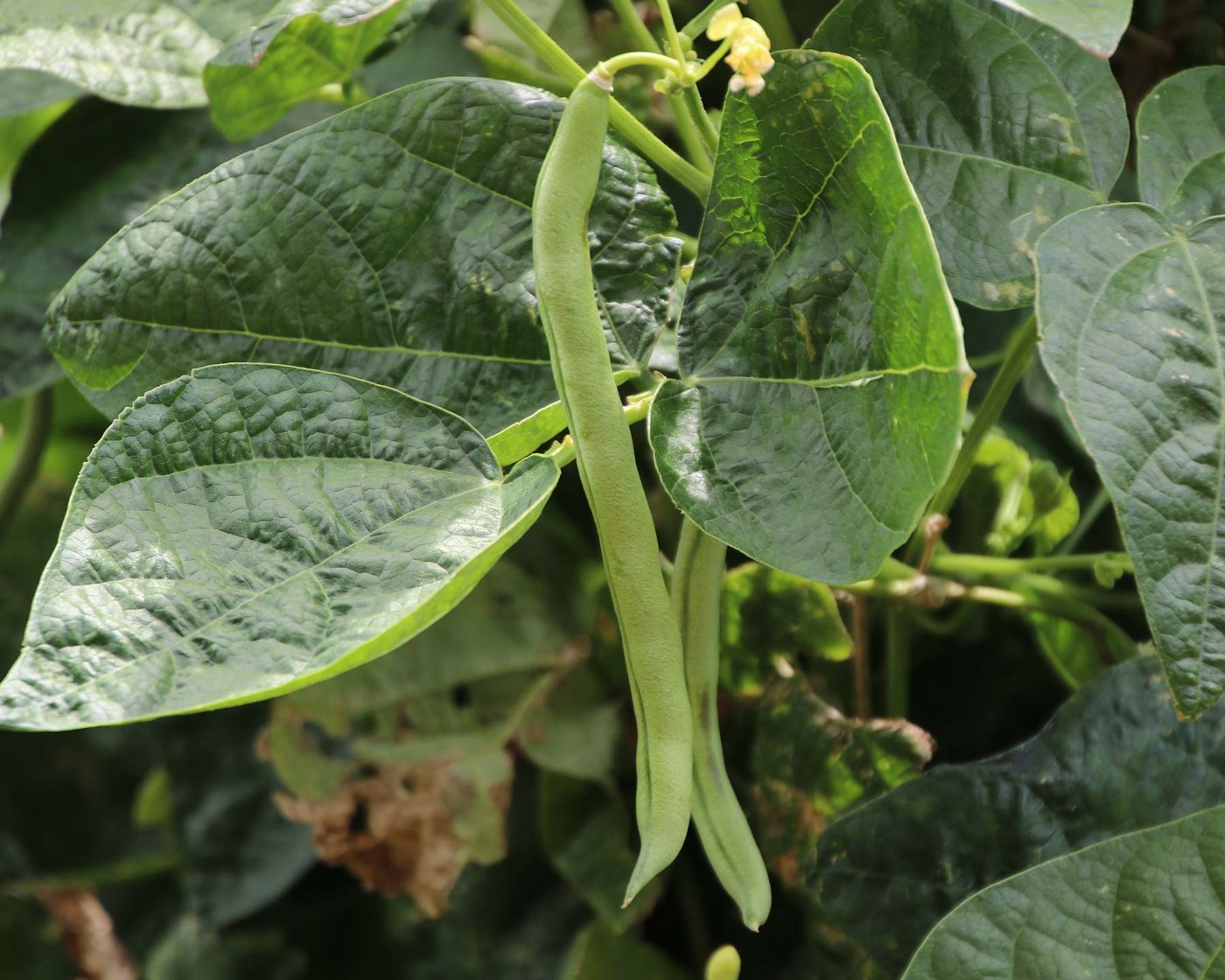
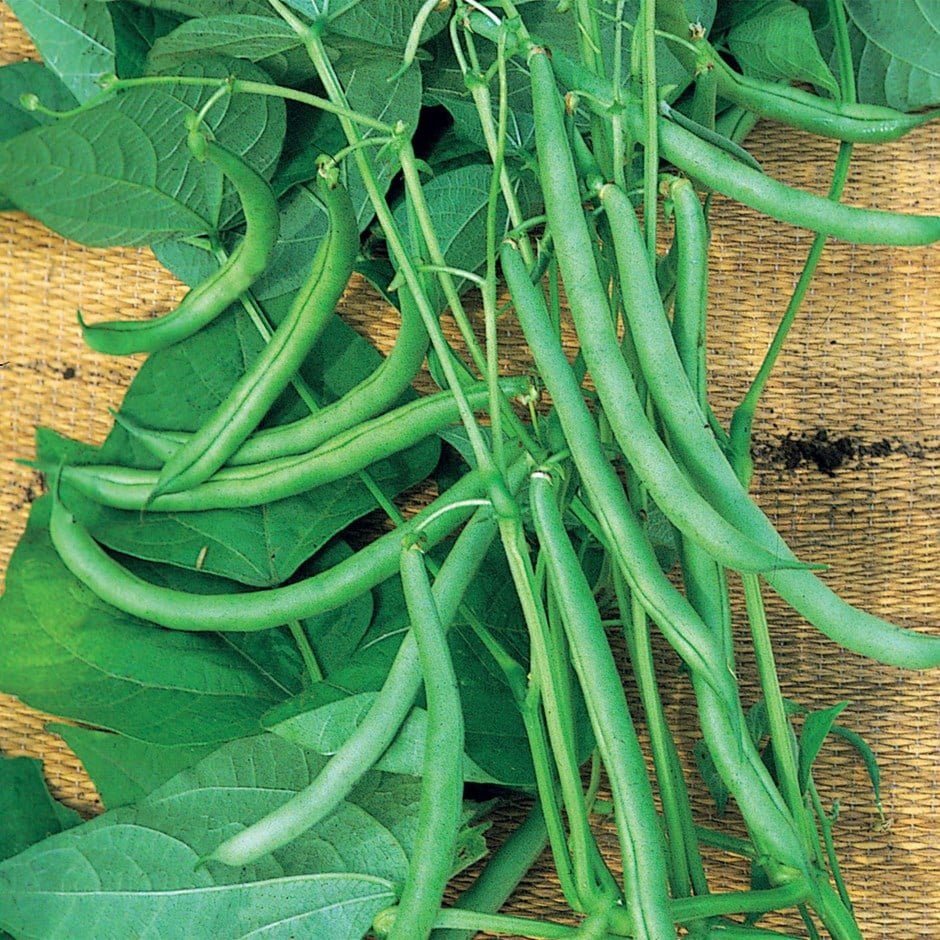
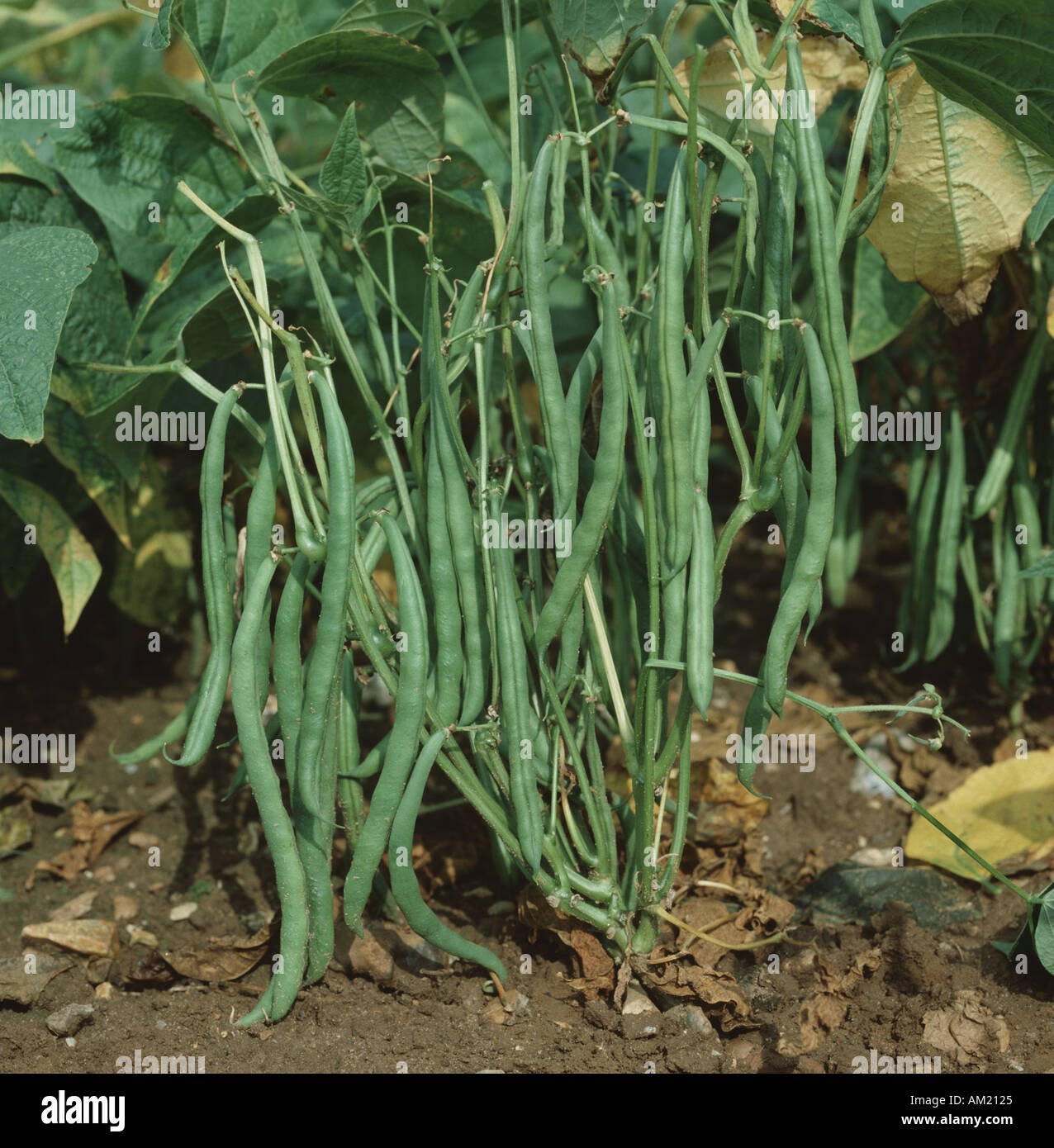
| Name | Country | Maturity | Traits |
|---|---|---|---|
| Fine French bean (export type) | KE | 55 | Very fine pods, high picking frequency and good for export markets. |
| Medium French bean | KE | 60 | Slightly thicker pod for local fresh market and processing. |
| Climbing French bean selection | TZ | 65 | Requires staking, higher yield per area where labour and stakes are available. |
| Stage | Product | Rate (kg/ha) | Notes |
|---|---|---|---|
| Basal | NPK 17-17-17 or 15-15-15 | 80 | Provides starter nutrients at planting for French beans. |
| Topdress (N source) | CAN 26% N | 60 | Single topdress, or split into two smaller doses depending on crop colour and vigour. |
| High K for quality | Sulfate of potash (SOP) or NPK with higher K | 50 | Given around flowering to improve pod firmness and shelf life. |
| Organic | Well-rotted manure or compost | 5000 | Apply before planting to improve soil structure and moisture holding. |
| Name | Type | Symptoms | Management |
|---|---|---|---|
| Bean fly | pest | Small punctures on stems near soil level, plants show yellowing, wilting and may break at the base. | Plant early in the rains, earth up around stems, avoid water stress and use recommended seed dressings or sprays when ne... |
| Aphids | pest | Clusters of small insects on shoot tips and underside of leaves, causing curling, yellowing and sticky honeydew. | Encourage natural enemies, avoid heavy nitrogen and use selective insecticides or biopesticides when numbers increase. |
| Thrips | pest | Silvery streaks and brown scars on leaves and pods of French beans, leading to poor pod quality. | Monitor flowering crops closely and use recommended insecticides/biopesticides based on thresholds. |
| Pod borers and caterpillars | pest | Holes and frass on pods, chewed beans inside. | Timely sprays of recommended products, early harvesting of pods and good field sanitation. |
| Leaf miners | pest | White winding mines inside leaves, which can dry and drop early. | Remove heavily damaged leaves on small plots and use targeted controls when necessary. |
| Bean rust | disease | Small raised brown-orange spots (pustules) on leaves and sometimes pods. | Use tolerant varieties, avoid overhead irrigation late in the day and treat with fungicides when needed. |
| Angular leaf spot / blights | disease | Angular or irregular brown spots on leaves and pods, sometimes with yellow halos. | Use clean seed, rotate crops and avoid working in the field when foliage is wet. |
| Root rots | disease | Stunting, yellowing and rotted roots in poorly drained patches. | Plant on well-drained soils or raised beds and avoid overwatering. |
| System | Typical | Min | Max | Notes |
|---|---|---|---|---|
| Smallholder French beans, low–medium input | 5 | 3 | 7 | Basic fertilizer, simple pest control and less frequent picking. |
| Well-managed open-field French beans | 8 | 6 | 10 | Recommended varieties, proper spacing, good fertilizer and regular harvesting. |
| Irrigated / export-standard French beans | 10 | 8 | 14 | Drip or sprinkler irrigation, fertigation and tight pest/disease control. |
| Country | Region | Planting | Harvest |
|---|---|---|---|
| KE | Highland and upper mid-altitude French bean zones | Main rainy seasons and under irrigation when temperatures are mild (not very hot). | First harvest around 7–8 weeks after sowing, then frequent pickings. |
| KE | Irrigated export belts | Staggered plantings through the year to match contracts where climate allows. | Multiple harvests over 3–5 weeks depending on variety and management. |
| TZ | Cooler highland and lake basin French bean areas | Cooler months with reliable rainfall or irrigation. | Harvests during cooler periods when pod quality is highest. |
| Country | Region | Suitability |
|---|---|---|
| KE | Central and Rift Valley highland French bean zones | High |
| KE | Irrigated export-production schemes | High |
| TZ | Highland and lake basin vegetable belts | High |
| UG | Cooler highland vegetable zones | High |