Loading…

Loading…

Farmlens Eyes On Earth
Welcome
Sign in to continue
Login Register
Download PDF
Lupin

Crop details

Lupin

Lupinus spp.
Family: Fabaceae

Quick stats

Family Fabaceae
Typical harvest 1.5 t/ha
Varieties 2
Pests & diseases 6
Seasons 3

Crop profile

Growth habit annual
Days to harvest 100-150
Main uses Pulse; forage
Pollination insect
Origin / where it grows Temperate regions

Weather, soil & spacing

Best temperature 10–20 °C
Rainfall 500–800 mm/yr
Altitude 800–2600 m
Best pH 5.5–6.8
Soil type Well-drained; tolerates poor soils
Row spacing 40 cm
Plant spacing 15 cm
Planting depth 3 cm
Seed rate 80 kg/ha
Nursery days

Simple notes for farmers

About the crop: This crop is annual. You plant, grow and harvest it in one main season, then plant again. You can normally start harvesting about 100-150 days after planting, depending on care and variety.

Main use: Farmers mostly grow this crop for pulse; forage.

Pollination: This crop is mainly pollinated by insect. Keeping flowers healthy and having insects like bees in the field helps improve fruit set and yields.

Where it grows: Temperate regions It is grouped under: Legumes & Pulses.

Best climate: This crop does well in warm areas where the temperature is usually between 10 and 20 degrees Celsius. It prefers places that receive around 500 to 800 millimetres of rain in a year. It can grow from near sea level up to about 2600 metres above sea level.

Soil: The crop grows best in slightly acidic to near neutral soils, with a pH of about 5.5 to 6.8. It does well in well-drained; tolerates poor soils. Good drainage is important, so avoid waterlogged spots.

Plant spacing: Plant in rows about 40 centimetres apart, and leave about 15 centimetres between plants in the row. This gives each plant enough space for roots and canopy to spread.

Planting depth: Dig planting holes or furrows about 3 centimetres deep so the roots sit firmly in the soil but are not buried too deep.

Seed or planting material: Use around 80 kilograms of seed or planting material per hectare. Spread or plant evenly so the field has a good stand without being overcrowded.

Farmer guide (mwongozo wa mkulima)

Planting: Direct-drill into moist, cool-season window; inoculate with lupin rhizobia.
Transplanting: Not transplanted; keep inoculated seed shaded until sowing.
Irrigation: Mostly rainfed; avoid saturation; supplement at flower/pod fill if dry.
Fertigation: Minimal N; focus on P, K, S to support nodulation and seed fill.
Pest scouting: Early weed control; scout for aphids and anthracnose from early vegetative stage.
Pruning: Not applicable.
Harvest: Harvest when pods are brown and seeds hard; minimize shattering.
Postharvest: Dry to ~10–12% moisture; cool, dry storage. Debitter bitter types before food use.

Nutrient schedule (mbolea kwa hatua)

# Stage DAP Product Rate Targets (kg/ha) Notes
1 Basal 0 NPK 15-15-15 50 kg/ha N: —, P₂O₅: —, K₂O: — Coat just before sowing; avoid sun
2 Basal P at planting 0 TSP 0-46-0 or SSP 80 kg/ha (product) N: —, P₂O₅: 30, K₂O: — Band below seed; keep separate from inoculant
3 Early vegetative S/Ca 20 Gypsum (CaSO4·2H2O) 100 kg/ha N: —, P₂O₅: —, K₂O: — Supports nodulation; seed quality
4 K top-up (if needed) 35 MOP or SOP 60 kg/ha (product) N: —, P₂O₅: —, K₂O: 20 Prefer SOP on chloride-sensitive soils

Nutrient requirements

Nutrient Stage Amount Unit
N Basal 10 kg/ha
P₂O₅ Basal 20 kg/ha
K₂O Basal 20 kg/ha
N Topdress 0 kg/ha
P₂O₅ Topdress 10 kg/ha
K₂O Topdress 20 kg/ha
N Pod_fill 0 kg/ha
P₂O₅ Pod_fill 0 kg/ha
K₂O Pod_fill 20 kg/ha

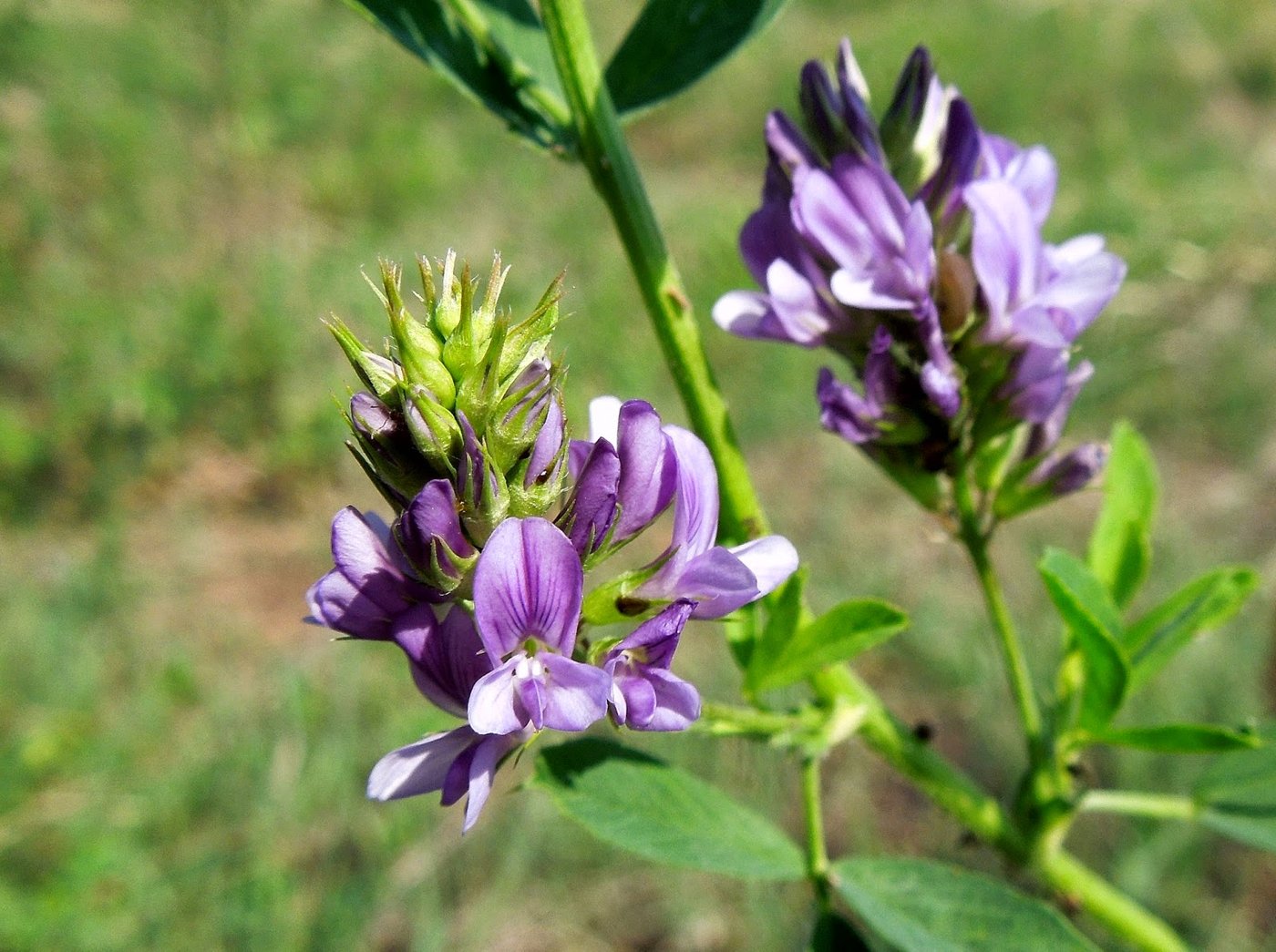
Field images (picha shambani)

Lupin
Name Country Maturity Traits
Sweet Lupin KE 130 Low alkaloid
Narrow-leaf lupin (local) ET 110 Early; drought tolerant
Stage Product Rate (kg/ha) Notes
Basal NPK 15-15-15 50
Basal TSP 0-46-0 (or SSP) 65 Starter P; banded
Vegetative Gypsum 100 Supplies Ca and S; supports nodulation
Pod fill Sulfate of potash 50 Only if K is deficient
Name Type Symptoms Management
Aphids pest Honeydew; sooty mold Natural enemies; spot sprays
Pod borers (Helicoverpa spp.) pest Pod/seed feeding Flower–pod scouting; targeted control if needed
Anthracnose disease Stem crooks; lesions; dieback Clean seed; avoid spread; resistant types; fungicide if severe
Sclerotinia stem rot disease Wilting; white mycelium; sclerotia Rotation; canopy airflow; targeted sprays
Root rots (Rhizoctonia/Phytophthora) disease Damping-off; root lesions Well-drained fields; avoid compaction; seed treatments
Weed competition pest Stunting; yield loss Pre/post-emergence control; narrow rows
System Typical Min Max Notes
rainfed highland 1.5 0.8 2.5 Inoculation + P improve yields
Country Region Planting Harvest
KE Highlands May–Jun Sep–Nov
KE Highlands (long rains) Mar–Apr Aug–Sep
KE Highlands (short rains) Oct–Nov Feb–Mar
Country Region Suitability
KE Highlands Medium
KE Highlands & cool mid-altitudes High
KE Hot lowlands (>28 °C mean) Low
TZ Northern highlands High