
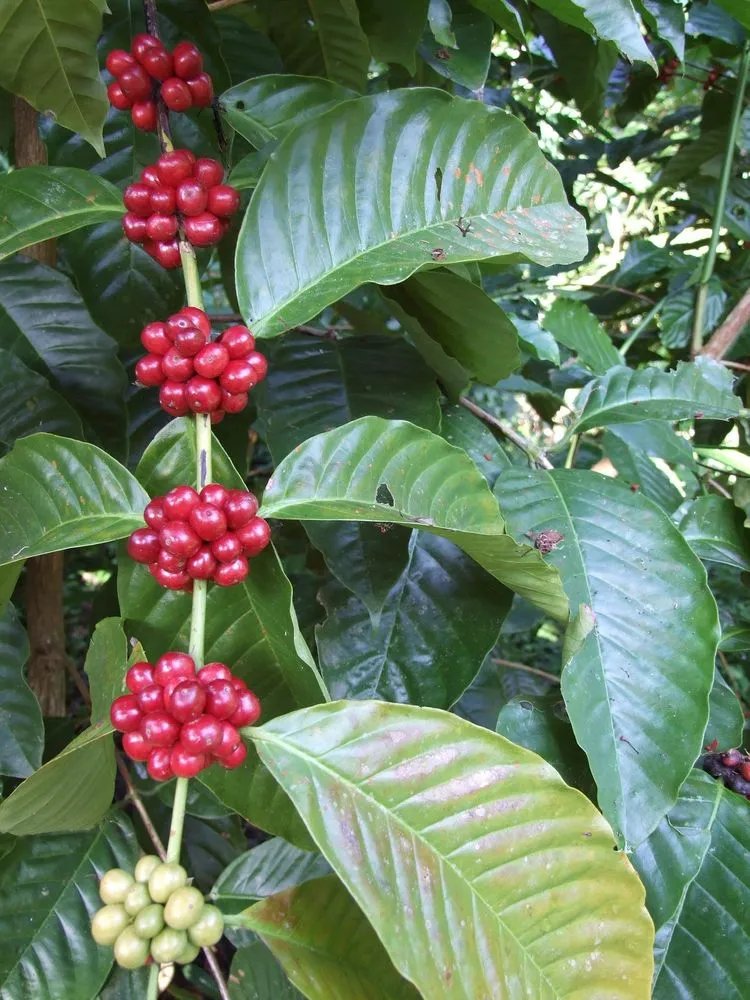
Crop details
Coffee
Categories
Quick stats
| Family | Rubiaceae |
|---|---|
| Typical harvest | 0.8 t/ha |
| Varieties | 3 |
| Pests & diseases | 7 |
| Seasons | 3 |
Crop profile
| Growth habit | perennial |
|---|---|
| Days to harvest | 365 |
| Main uses | Dried coffee beans (parchment or cherry) processed into beverage coffee; by-products used as mulch or compost. |
| Pollination | self |
| Origin / where it grows | Grown in tropical highlands and warm humid regions with distinct wet and dry seasons or reliable rainfall. |
Weather, soil & spacing
| Best temperature | 18–24 °C |
|---|---|
| Rainfall | 1200–2000 mm/yr |
| Altitude | 800–2200 m |
| Best pH | 5–6.5 |
| Soil type | Deep, well-drained loams or volcanic soils with high organic matter; avoids heavy, compacted clays and saline soils. |
| Row spacing | 200 cm |
| Plant spacing | 200 cm |
| Planting depth | 30 cm |
| Seed rate | kg/ha (check local recommendation) |
| Nursery days | 240 |
Simple notes for farmers
About the crop: This crop is perennial, which means once you plant it, the same plant can keep producing for many years. You can normally start harvesting about 365 days after planting, depending on care and variety.
Main use: Farmers mostly grow this crop for dried coffee beans (parchment or cherry) processed into beverage coffee; by-products used as mulch or compost..
Pollination: This crop is mainly pollinated by self. Keeping flowers healthy and having insects like bees in the field helps improve fruit set and yields.
Where it grows: Grown in tropical highlands and warm humid regions with distinct wet and dry seasons or reliable rainfall. It is grouped under: Oil & Industrial, Beverages.
Best climate: This crop does well in warm areas where the temperature is usually between 18 and 24 degrees Celsius. It prefers places that receive around 1200 to 2000 millimetres of rain in a year. It can grow from near sea level up to about 2200 metres above sea level.
Soil: The crop grows best in slightly acidic to near neutral soils, with a pH of about 5 to 6.5. It does well in deep, well-drained loams or volcanic soils with high organic matter; avoids heavy, compacted clays and saline soils.. Good drainage is important, so avoid waterlogged spots.
Plant spacing: Plant in rows about 200 centimetres apart, and leave about 200 centimetres between plants in the row. This gives each plant enough space for roots and canopy to spread.
Planting depth: Dig planting holes or furrows about 30 centimetres deep so the roots sit firmly in the soil but are not buried too deep.
Seed or planting material: Use good quality seed or healthy planting material. Follow local extension advice for the exact amount per hectare.
Nursery period: If you raise seedlings in a nursery, keep them there for about 240 days before transplanting to the main field, when they are strong and healthy.
Farmer guide (mwongozo wa mkulima)
Nutrient schedule (mbolea kwa hatua)
| # | Stage | DAP | Product | Rate | Targets (kg/ha) | Notes |
|---|---|---|---|---|---|---|
| 1 | Basal at planting | 0 | NPK 17-17-17 + compost/manure | 150 kg/ha (plus 5–10 t/ha compost/manure in pits) | N: 26, P₂O₅: 26, K₂O: 26 | Mix into topsoil and return to planting pits or planting strip; avoid direct contact with roots at planting. |
| 2 | Early rainy-season topdress | 60 | CAN 26% N or urea | 100 kg/ha | N: 26, P₂O₅: 0, K₂O: 0 | Apply around the drip line of trees at the start of the rainy season and lightly incorporate or mulch over. |
| 3 | Flowering / fruit set N+K | 150 | NPK 20-10-10 or urea + MOP/SOP | 150 kg/ha | N: 30, P₂O₅: 15, K₂O: 15 | Apply during or soon after flowering to support fruit set and cherry development. |
Nutrient requirements
| Nutrient | Stage | Amount | Unit |
|---|---|---|---|
| N | Establishment | 40 | kg/ha |
| P₂O₅ | Establishment | 30 | kg/ha |
| K₂O | Establishment | 40 | kg/ha |
| N | Early_bearing | 80 | kg/ha |
| P₂O₅ | Early_bearing | 20 | kg/ha |
| K₂O | Early_bearing | 80 | kg/ha |
| N | Full_bearing | 120 | kg/ha |
| P₂O₅ | Full_bearing | 20 | kg/ha |
| K₂O | Full_bearing | 120 | kg/ha |
Field images (picha shambani)
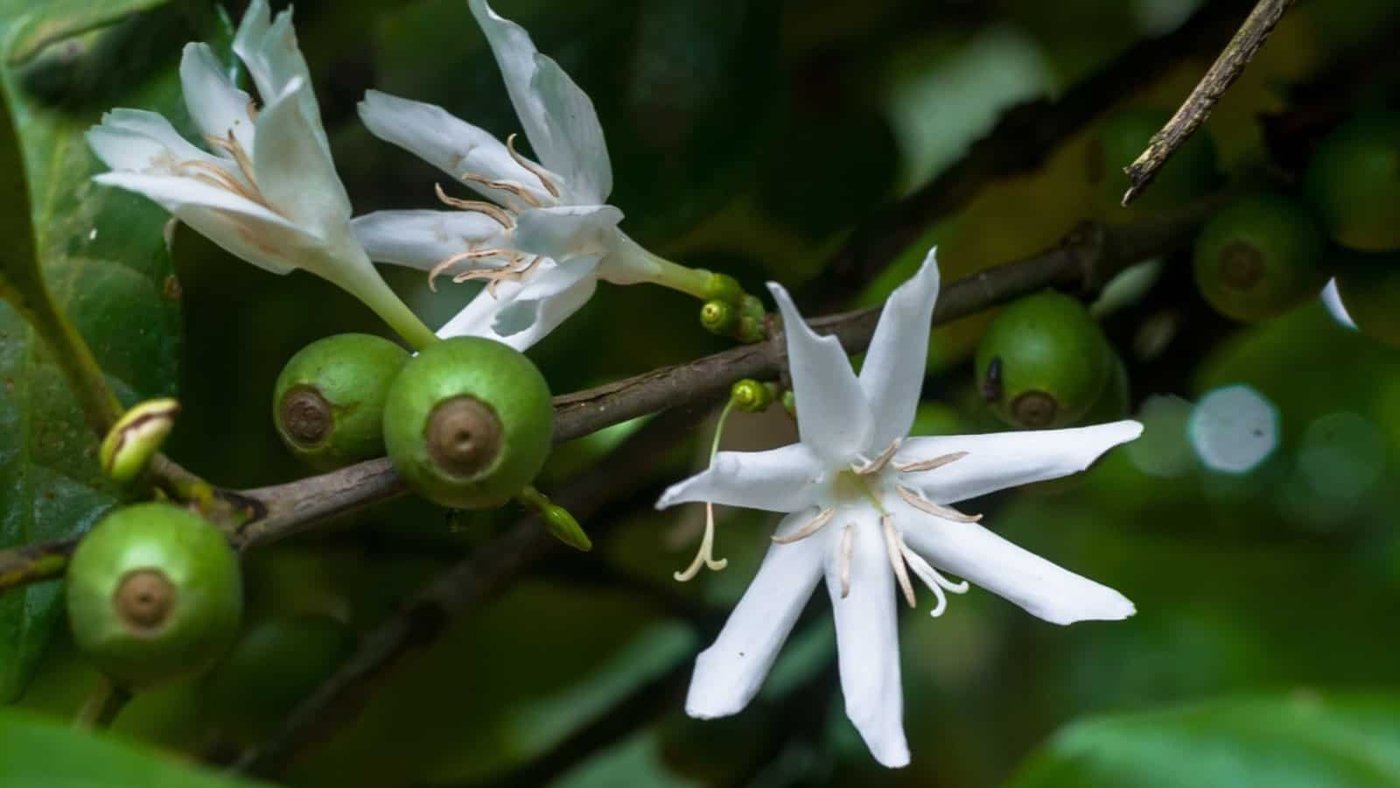
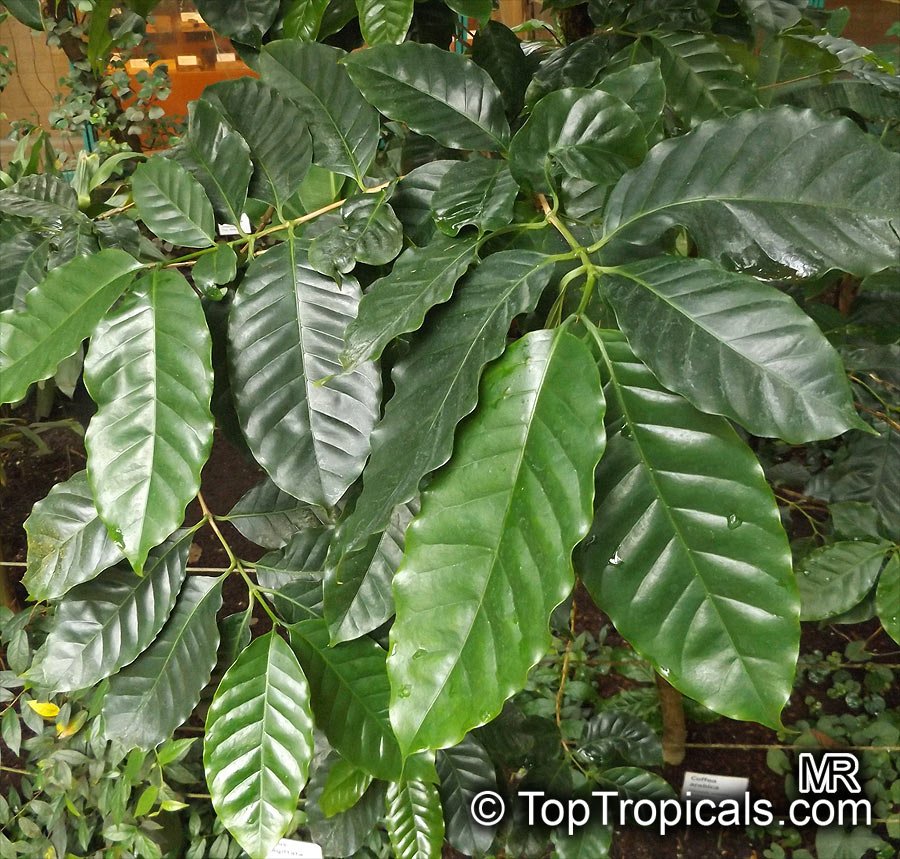
| Name | Country | Maturity | Traits |
|---|---|---|---|
| Arabica highland selection | KE | 1095 | Good cup quality and tolerance to major diseases; suited to high elevation coffee belts. |
| Robusta mid-altitude type | TZ | 1095 | High-yielding robusta type for warmer, lower-altitude zones with suitable rainfall. |
| Smallholder-adapted arabica/robusta selection | UG | 1095 | Adapted to local pests/diseases and mixed-crop systems in smallholder landscapes. |
| Stage | Product | Rate (kg/ha) | Notes |
|---|---|---|---|
| Basal (planting) | NPK 17-17-17 + organic manure | 150 | Apply in planting pits or bands before transplanting, combined with well-rotted manure or compost. |
| Early rainy season | CAN 26% N or urea | 100 | Apply at onset of rains around the drip line of trees, lightly incorporated or mulched in. |
| Fruit set / berry filling | NPK 20-10-10 or N+K blend | 150 | Apply during heavy flowering or early berry development for bearing trees. |
| Name | Type | Symptoms | Management |
|---|---|---|---|
| Coffee berry borer (CBB) | pest | Small entry holes at the blossom end of cherries, bored galleries inside beans, reduced quality and weight. | Field sanitation (strip-picking and removal of leftover cherries), timely harvest, monitoring with traps and integrated... |
| Coffee leaf rust | disease | Yellow/orange powdery lesions on undersides of leaves, premature defoliation and yield decline. | Use tolerant/resistant varieties, maintain tree vigour through good nutrition and shade management, and remove severely... |
| Coffee berry disease (CBD) – high altitude arabica zones | disease | Dark sunken lesions on green cherries, shrivelled beans and cherry drop in cool, wet conditions. | Use tolerant varieties where available, prune to improve airflow, ensure timely picking and avoid long periods of wetnes... |
| Root-knot nematodes and root rots | pest | Stunted bushes, yellowing and poor fruiting; galled or rotted roots on affected plants. | Use clean planting material, avoid infested nursery sites, maintain organic matter and avoid waterlogging. |
| Scales and mealybugs | pest | Clusters on stems and leaf undersides, honeydew and sooty mould; reduced vigour and branch dieback in severe cases. | Encourage natural enemies, prune out heavily infested twigs and manage ants that farm the scales. |
| Stem borers / twig borers | pest | Wilting or dieback of twigs, small holes in stems and galleries inside branches. | Prune and destroy infested branches early, maintain tree vigour and monitor susceptible blocks more frequently. |
| Nutrient deficiency (N, K, Mg, Zn, B) | disorder | Pale leaves, yellowing patterns, tip burn, small beans and dieback, depending on nutrient affected. | Use soil and leaf analysis to guide balanced fertilizer and lime applications and avoid chronic under-fertilization. |
| System | Typical | Min | Max | Notes |
|---|---|---|---|---|
| Smallholder rainfed (clean coffee, dry beans) | 0.6 | 0.3 | 0.9 | Often 1–2 t/ha clean coffee equivalent from 4–6 t/ha of dried cherry or parchment over biennial cycles; lower inputs and... |
| Managed coffee estate (clean coffee, dry beans) | 1.5 | 0.8 | 2 | Improved varieties, regular fertilizer and pruning, good shade/water management and well-managed picking and processing. |
| Intensive high-input / irrigated (clean coffee, dry beans) | 2.5 | 1.8 | 3 | High-yielding varieties, strong nutrition and moisture management with careful canopy/pruning control. |
| smallholder | 0.7 | 0.4 | 1.2 | Green bean eq. |
| smallholder | 0.7 | 0.4 | 1.2 | Green bean eq. |
| smallholder | 0.7 | 0.4 | 1.2 | Green bean eq. |
| smallholder | 0.7 | 0.4 | 1.2 | Green bean eq. |
| smallholder | 0.7 | 0.4 | 1.2 | Green bean eq. |
| smallholder | 0.7 | 0.4 | 1.2 | Green bean eq. |
| smallholder | 0.7 | 0.4 | 1.2 | Green bean eq. |
| smallholder | 0.7 | 0.4 | 1.2 | Green bean eq. |
| smallholder | 0.7 | 0.4 | 1.2 | Green bean eq. |
| smallholder | 0.7 | 0.4 | 1.2 | Green bean eq. |
| smallholder | 0.7 | 0.4 | 1.2 | Green bean eq. |
| smallholder | 0.7 | 0.4 | 1.2 | Green bean eq. |
| smallholder | 0.7 | 0.4 | 1.2 | Green bean eq. |
| smallholder | 0.7 | 0.4 | 1.2 | Green bean eq. |
| smallholder | 0.7 | 0.4 | 1.2 | Green bean eq. |
| Country | Region | Planting | Harvest |
|---|---|---|---|
| KE | Highland coffee zones (arabica) | At onset of long or short rains so seedlings establish before dry periods; avoid planting near peak dry season. | Main harvest usually follows main rainy season after a development period of several months; timing varies by region. |
| TZ | Northern and southern arabica highlands; western robusta zones | Young coffee planted with start of rainy season for good establishment in both arabica and robusta areas. | Harvest seasons differ by zone; typically once or twice a year with main harvest in drier months after flowering rains. |
| UG | Arabica highlands and robusta lowland belts | At onset of reliable rains on prepared fields with shade and mulching where needed. | Distinct harvest seasons for arabica and robusta, often aligned with drier months following rainy seasons. |
| Country | Region | Suitability |
|---|---|---|
| KE | Central and some eastern/western highlands with deep, well-drained volcanic soils | High |
| TZ | Northern and southern highlands for arabica; western and lake zones for robusta | High |
| UG | Eastern and western highland arabica belts and central/western robusta zones | High |