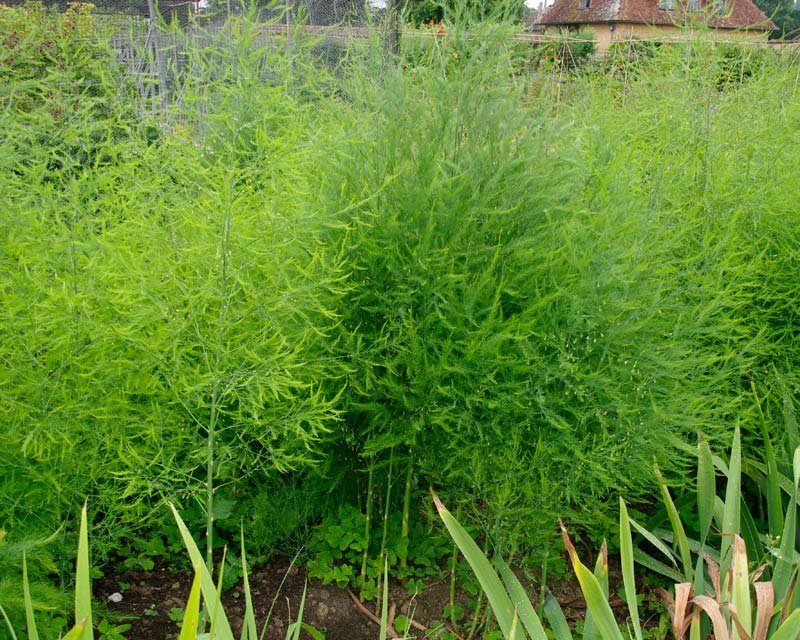
Quick stats
| Family | Poaceae |
|---|---|
| Typical harvest | 9.0 t/ha |
| Varieties | 3 |
| Pests & diseases | 5 |
| Seasons | 3 |
Crop profile
| Growth habit | perennial |
|---|---|
| Days to harvest | 365 |
| Main uses | Grazed pasture, cut-and-carry forage, hay production and soil cover in pasture systems. |
| Pollination | wind |
| Origin / where it grows | Warm-season tropical and subtropical grass widely grown in semi-arid to sub-humid regions as a key pasture species. |
Weather, soil & spacing
| Best temperature | 20–32 °C |
|---|---|
| Rainfall | 600–900 mm/yr |
| Altitude | 0–2000 m |
| Best pH | 5.5–7.5 |
| Soil type | Light to medium-textured, well-drained sandy loams or loams; tolerates some salinity better than many forages. |
| Row spacing | 30 cm |
| Plant spacing | 10 cm |
| Planting depth | 1 cm |
| Seed rate | 6 kg/ha |
| Nursery days | — |
Simple notes for farmers
About the crop: This crop is perennial, which means once you plant it, the same plant can keep producing for many years. You can normally start harvesting about 365 days after planting, depending on care and variety.
Main use: Farmers mostly grow this crop for grazed pasture, cut-and-carry forage, hay production and soil cover in pasture systems..
Pollination: This crop is mainly pollinated by wind. Keeping flowers healthy and having insects like bees in the field helps improve fruit set and yields.
Where it grows: Warm-season tropical and subtropical grass widely grown in semi-arid to sub-humid regions as a key pasture species. It is grouped under: Forages & Fodder.
Best climate: This crop does well in warm areas where the temperature is usually between 20 and 32 degrees Celsius. It prefers places that receive around 600 to 900 millimetres of rain in a year. It can grow from near sea level up to about 2000 metres above sea level.
Soil: The crop grows best in slightly acidic to near neutral soils, with a pH of about 5.5 to 7.5. It does well in light to medium-textured, well-drained sandy loams or loams; tolerates some salinity better than many forages.. Good drainage is important, so avoid waterlogged spots.
Plant spacing: Plant in rows about 30 centimetres apart, and leave about 10 centimetres between plants in the row. This gives each plant enough space for roots and canopy to spread.
Planting depth: Dig planting holes or furrows about 1 centimetres deep so the roots sit firmly in the soil but are not buried too deep.
Seed or planting material: Use around 6 kilograms of seed or planting material per hectare. Spread or plant evenly so the field has a good stand without being overcrowded.
Farmer guide (mwongozo wa mkulima)
Nutrient schedule (mbolea kwa hatua)
| # | Stage | DAP | Product | Rate | Targets (kg/ha) | Notes |
|---|---|---|---|---|---|---|
| 1 | Basal at planting | 0 | NPK 17-17-17 | 100 kg/ha | N: 17, P₂O₅: 17, K₂O: 17 | Apply and incorporate into topsoil before sowing; adjust rate according to soil test and manure use. |
| 2 | First topdress (post-establishment) | 35 | CAN 26% N | 80 kg/ha | N: 21, P₂O₅: 0, K₂O: 0 | Apply once seedlings are well established and before first cut/grazing. |
| 3 | After heavy cut/grazing | 80 | NPK 20-10-10 or urea + K source | 70 kg/ha | N: 14, P₂O₅: 7, K₂O: 7 | Apply after a major cut or grazing rotation to stimulate regrowth where moisture is adequate. |
Nutrient requirements
| Nutrient | Stage | Amount | Unit |
|---|---|---|---|
| N | Basal | 30 | kg/ha |
| P₂O₅ | Basal | 25 | kg/ha |
| K₂O | Basal | 25 | kg/ha |
| N | Mid_season | 50 | kg/ha |
| P₂O₅ | Mid_season | 0 | kg/ha |
| K₂O | Mid_season | 40 | kg/ha |
| N | Late_season | 20 | kg/ha |
| P₂O₅ | Late_season | 0 | kg/ha |
| K₂O | Late_season | 20 | kg/ha |
| Name | Country | Maturity | Traits |
|---|---|---|---|
| Common Rhodes (diploid) selection | KE | 365 | Persistent perennial pasture with good hay quality under Kenyan highland and mid-altitude conditions. |
| Fine-stem Rhodes grass | TZ | 365 | Finer stems and good leafiness, suitable for hay production in drier mid-altitude zones. |
| Local Rhodes-type pasture mix | UG | 365 | Mixed ecotypes used in smallholder dairies as cut-and-carry and grazed pasture. |
| Stage | Product | Rate (kg/ha) | Notes |
|---|---|---|---|
| Basal | NPK 17-17-17 | 100 | Apply at establishment and incorporate before sowing on low to medium fertility soils. |
| Post-establishment | CAN 26% N | 80 | Apply once stand is established and actively growing, before first main cut/grazing. |
| After heavy cut/grazing | NPK 20-10-10 or N + K blend | 70 | Use after major cuts in high-producing systems to sustain yields and stand vigour. |
| Name | Type | Symptoms | Management |
|---|---|---|---|
| Armyworms / caterpillar defoliators | pest | Rapid defoliation of leaves, “stripped” paddocks after large outbreaks. | Regular scouting during outbreak seasons, early intervention, and grazing/cutting before severe damage where possible. |
| Termites | pest | Tunnelling at crowns and lower stems, dead or lodging tussocks, especially in dry conditions. | Manage termitaries around fields, avoid heavy trash piles around plant bases and maintain good stand vigour. |
| Leaf spot / rust diseases | disease | Brown or rust-coloured spots on leaves, premature leaf shedding and reduced quality. | Maintain open swards, avoid overcrowding, cut/graze to remove heavily infected foliage and avoid excessive late nitrogen... |
| Root and crown rots | disease | Thinning patches, weak plants with rotted crowns/roots in poorly drained areas. | Improve drainage, avoid over-irrigation on heavy soils and rotate out of badly affected paddocks. |
| Weed competition | disorder | Patchy stands, invaded by broadleaf weeds and annual grasses reducing forage quality. | Ensure good establishment with correct seeding rate, early weeding and timely grazing/cutting to favour Rhodes over weed... |
| System | Typical | Min | Max | Notes |
|---|---|---|---|---|
| Low-input rainfed (hay, DM) | 5 | 3 | 7 | 1–3 cuts per year depending on rainfall; minimal fertilizer on smallholder farms. |
| Managed pasture/hay (DM) | 8 | 6 | 12 | Fertilized stands under good rainfall or supplementary irrigation with rotational grazing or cutting. |
| Intensive irrigated (DM) | 14 | 10 | 18 | High fertility and frequent cutting for dairy-quality hay/green chop. |
| Country | Region | Planting | Harvest |
|---|---|---|---|
| KE | Semi-arid and sub-humid mid-altitude and lowland dairy/beef zones | At onset of long or short rains into moist, well-prepared seedbeds. | First light cut/grazing from 8–10 weeks after establishment; multiple cuts/rotations each year depending on rainfall/irrigation. |
| TZ | Central corridor, coastal hinterlands and northern/southern highland fringes | Early in the rainy season when reliable moisture is available for establishment. | Cut or graze repeatedly during rainy and early dry seasons; growth slows in cool/dry periods. |
| UG | Drier cattle corridors and well-drained mid-altitude dairy zones | At onset of main rains on light, well-drained soils. | Continuous grazing or cutting once established, with peak production in rainy seasons. |
| Country | Region | Suitability |
|---|---|---|
| KE | Eastern, coastal, Rift and some western cattle belts with warm climates and seasonal rainfall | High |
| TZ | Central corridor, coastal hinterland and suitable highland fringes with good drainage | High |
| UG | Cattle corridor and mid-altitude dairy/beef areas on light to medium soils | High |