
Quick stats
| Family | Lamiaceae |
|---|---|
| Typical harvest | 16.0 t/ha |
| Varieties | 3 |
| Pests & diseases | 4 |
| Seasons | 3 |
Crop profile
| Growth habit | annual |
|---|---|
| Days to harvest | 90 |
| Main uses | Fresh and dried leaves for culinary use, herbal teas and essential oils. |
| Pollination | insect |
| Origin / where it grows | Native to tropical regions; widely grown in warm, frost-free areas around the world. |
Weather, soil & spacing
| Best temperature | 18–30 °C |
|---|---|
| Rainfall | 700–1200 mm/yr |
| Altitude | 0–2000 m |
| Best pH | 6–7 |
| Soil type | Light to medium-textured, well-drained soils rich in organic matter. |
| Row spacing | 40 cm |
| Plant spacing | 25 cm |
| Planting depth | 1 cm |
| Seed rate | 4 kg/ha |
| Nursery days | 25 |
Simple notes for farmers
About the crop: This crop is annual. You plant, grow and harvest it in one main season, then plant again. You can normally start harvesting about 90 days after planting, depending on care and variety.
Main use: Farmers mostly grow this crop for fresh and dried leaves for culinary use, herbal teas and essential oils..
Pollination: This crop is mainly pollinated by insect. Keeping flowers healthy and having insects like bees in the field helps improve fruit set and yields.
Where it grows: Native to tropical regions; widely grown in warm, frost-free areas around the world. It is grouped under: Spices & Condiments.
Best climate: This crop does well in warm areas where the temperature is usually between 18 and 30 degrees Celsius. It prefers places that receive around 700 to 1200 millimetres of rain in a year. It can grow from near sea level up to about 2000 metres above sea level.
Soil: The crop grows best in slightly acidic to near neutral soils, with a pH of about 6 to 7. It does well in light to medium-textured, well-drained soils rich in organic matter.. Good drainage is important, so avoid waterlogged spots.
Plant spacing: Plant in rows about 40 centimetres apart, and leave about 25 centimetres between plants in the row. This gives each plant enough space for roots and canopy to spread.
Planting depth: Dig planting holes or furrows about 1 centimetres deep so the roots sit firmly in the soil but are not buried too deep.
Seed or planting material: Use around 4 kilograms of seed or planting material per hectare. Spread or plant evenly so the field has a good stand without being overcrowded.
Nursery period: If you raise seedlings in a nursery, keep them there for about 25 days before transplanting to the main field, when they are strong and healthy.
Farmer guide (mwongozo wa mkulima)
Nutrient schedule (mbolea kwa hatua)
| # | Stage | DAP | Product | Rate | Targets (kg/ha) | Notes |
|---|---|---|---|---|---|---|
| 1 | Basal at planting | 0 | NPK 17-17-17 + compost | 80 kg/ha (plus 3–5 t/ha compost) | N: 14, P₂O₅: 14, K₂O: 14 | Incorporate into topsoil before sowing or transplanting. |
| 2 | Vegetative topdress | 25 | CAN 26% N | 80 kg/ha | N: 21, P₂O₅: 0, K₂O: 0 | Side-dress on moist soil along rows, then water in. |
| 3 | Post-cut regrowth feed | 55 | NPK 20-10-10 or similar | 60 kg/ha after first major cut | N: 12, P₂O₅: 6, K₂O: 6 | Apply immediately after cutting, then irrigate to support regrowth. |
Nutrient requirements
| Nutrient | Stage | Amount | Unit |
|---|---|---|---|
| N | Basal | 30 | kg/ha |
| P₂O₅ | Basal | 25 | kg/ha |
| K₂O | Basal | 25 | kg/ha |
| N | Vegetative_boost | 30 | kg/ha |
| P₂O₅ | Vegetative_boost | 10 | kg/ha |
| K₂O | Vegetative_boost | 20 | kg/ha |
| N | After_cut | 20 | kg/ha |
| P₂O₅ | After_cut | 0 | kg/ha |
| K₂O | After_cut | 20 | kg/ha |
Field images (picha shambani)
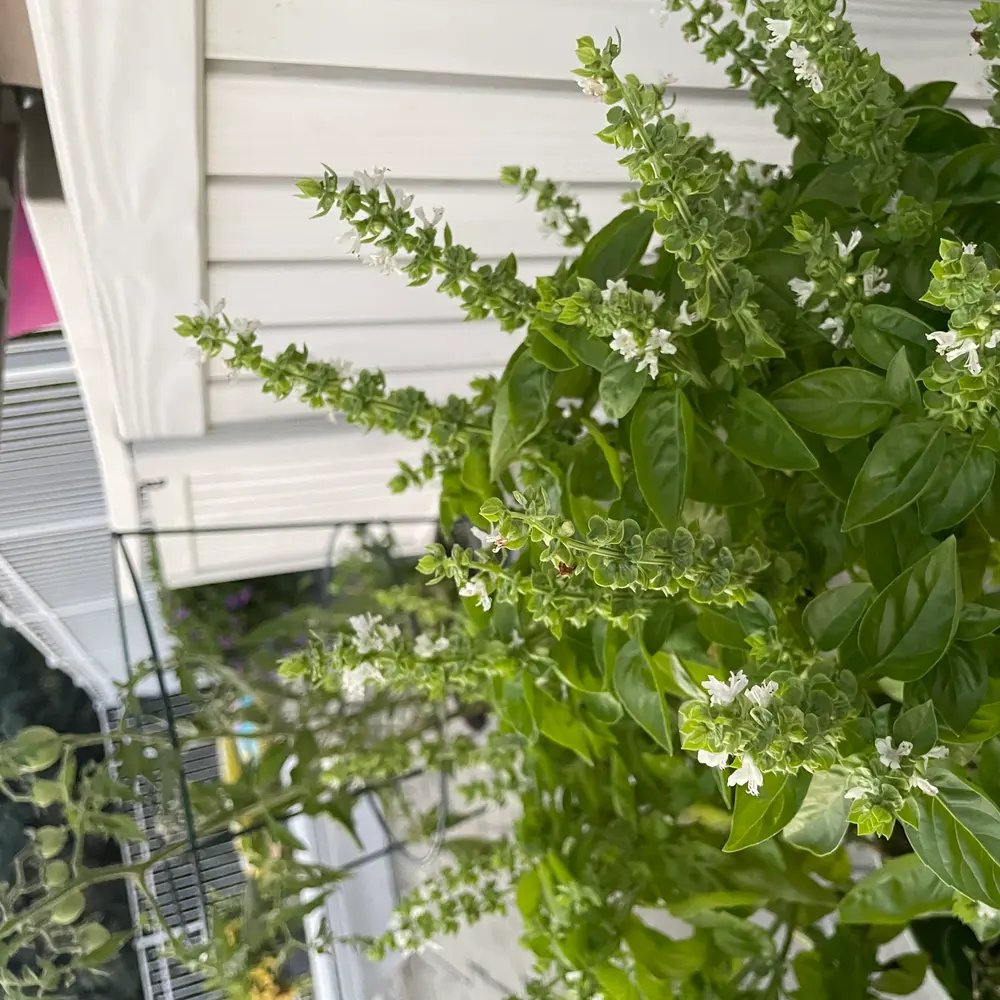
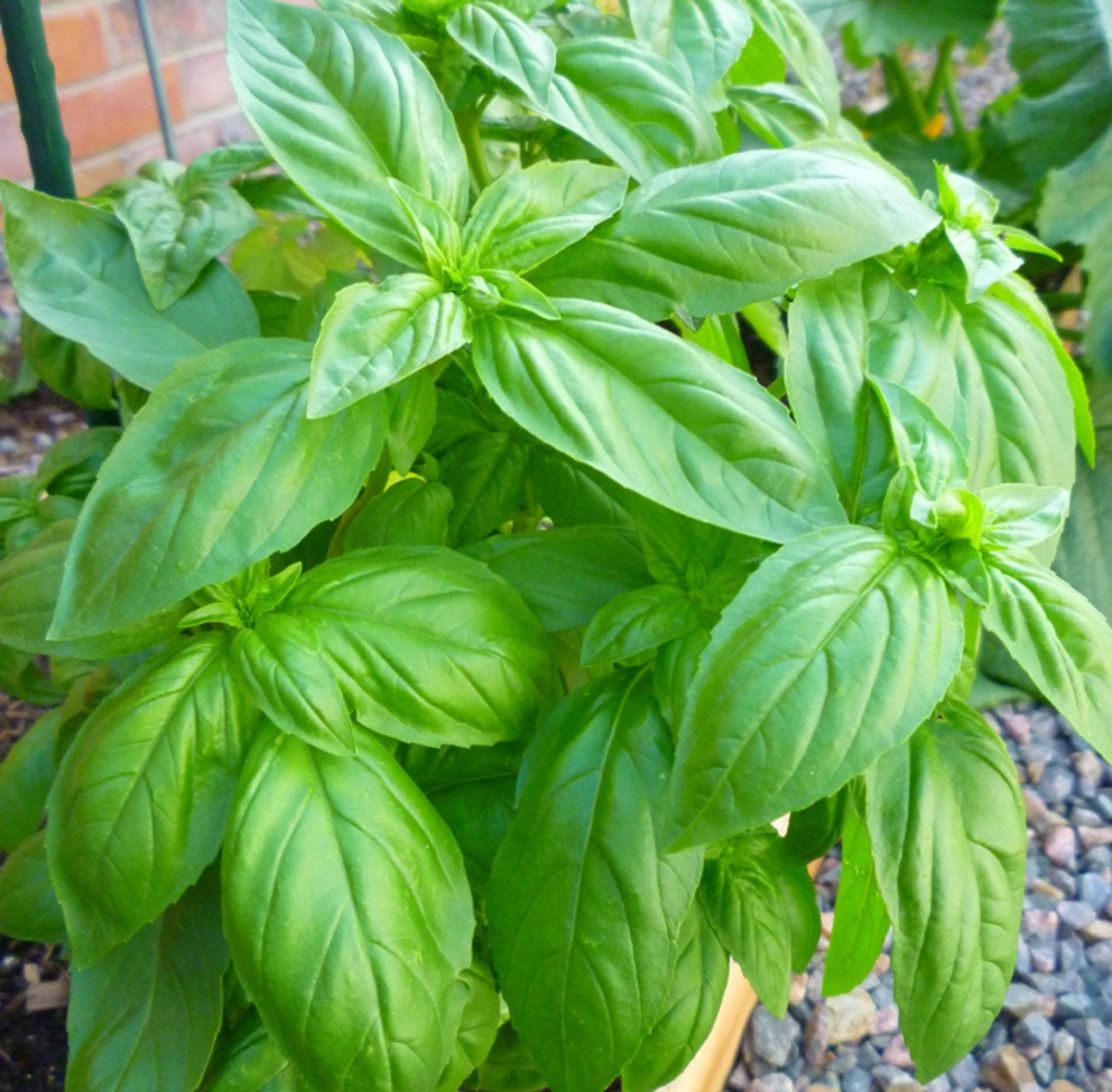
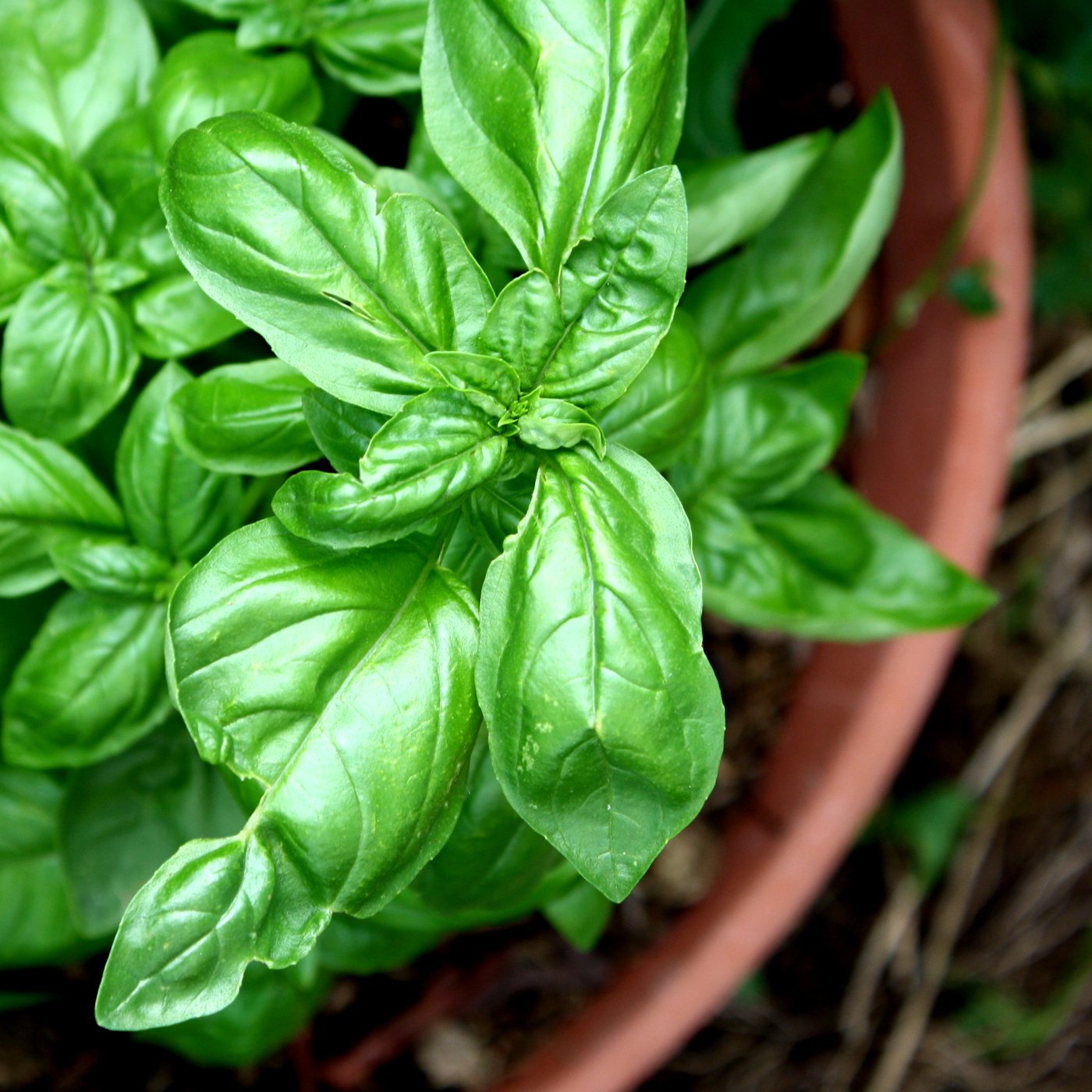
| Name | Country | Maturity | Traits |
|---|---|---|---|
| Genovese-type basil | KE | 80 | Large leaves, strong aroma, preferred for fresh market. |
| Fine-leaf basil selection | TZ | 75 | Smaller leaves, intense flavour, suited to drying. |
| Local basil (African basil) type | UG | 90 | Hardy local type used for tea and medicinal purposes. |
| Stage | Product | Rate (kg/ha) | Notes |
|---|---|---|---|
| Basal | NPK 17-17-17 + compost | 80 | Apply with 3–5 t/ha compost or well-rotted manure before planting. |
| Vegetative | CAN 26% N | 80 | About 3–4 weeks after emergence or transplanting. |
| After cut | NPK 20-10-10 | 60 | Apply after main harvests in intensively managed herb systems. |
| Name | Type | Symptoms | Management |
|---|---|---|---|
| Downy mildew | disease | Yellowing between veins, grey-violet mould underside of leaves, rapid leaf drop. | Improve spacing and airflow, avoid overhead irrigation in late day, remove infected plants promptly. |
| Leaf spot (Alternaria / Cercospora complex) | disease | Small brown or black spots on leaves, sometimes with yellow halo. | Use clean seed, rotate with non-hosts, avoid prolonged leaf wetness. |
| Aphids | pest | Clusters of soft-bodied insects on shoot tips, curled leaves and sticky honeydew. | Encourage natural enemies, use water jets or soft soaps where appropriate, avoid excessive N. |
| Whiteflies | pest | Small white insects flying when disturbed, honeydew and sooty mould on leaves. | Use yellow sticky traps, remove heavily infested plants, encourage beneficial insects. |
| System | Typical | Min | Max | Notes |
|---|---|---|---|---|
| Low-input smallholder (fresh) | 8 | 5 | 10 | Rainfed beds with basic manuring and 2–3 cuttings. |
| Managed beds with irrigation | 15 | 10 | 20 | Regular weeding, watering and modest NPK; 3–4 cuttings. |
| Intensive irrigated herb production | 25 | 15 | 30 | High planting density, fertigation and frequent harvests for fresh market. |
| Country | Region | Planting | Harvest |
|---|---|---|---|
| KE | Warm highlands & irrigated mid-altitudes | At onset of long or short rains, or any frost-free period under irrigation. | First harvest 6–8 weeks after planting, then repeat every 3–4 weeks. |
| TZ | Northern and southern highlands, irrigated lowlands | Start of rains or under irrigation whenever temperatures are warm. | Staggered harvests across the warm season according to market demand. |
| UG | Moist mid-altitudes with good drainage | At onset of reliable rains on friable, well-drained soils. | Multiple cuttings from 2–3 months after planting while plants remain vegetative. |
| Country | Region | Suitability |
|---|---|---|
| KE | Central & Rift highlands; irrigated peri-urban zones | High |
| TZ | Northern and southern highlands; irrigated plains | High |
| UG | Mid-altitude belts near urban markets | High |