
Quick stats
| Family | Arecaceae |
|---|---|
| Typical harvest | 4.7 t/ha |
| Varieties | 3 |
| Pests & diseases | 4 |
| Seasons | 3 |
Crop profile
| Growth habit | tree |
|---|---|
| Days to harvest | 365 |
| Main uses | Fresh nuts for drinking and cooking, grated coconut for food, copra for oil, husks for fibre and shells for fuel or crafts. |
| Pollination | wind |
| Origin / where it grows | Coconut (mnazi) is widely grown along the East African coast and nearby lowlands where temperatures are high and air is moist. |
Weather, soil & spacing
| Best temperature | 24–30 °C |
|---|---|
| Rainfall | 1200–2500 mm/yr |
| Altitude | 0–600 m |
| Best pH | 5.5–7.5 |
| Soil type | Deep, well-drained sandy or loamy soils with good moisture-holding. Coconut (mnazi) tolerates coastal sands and some salinity if roots reach fresh water. |
| Row spacing | 800 cm |
| Plant spacing | 800 cm |
| Planting depth | 15 cm |
| Seed rate | kg/ha (check local recommendation) |
| Nursery days | 270 |
Simple notes for farmers
About the crop: This crop has a growth habit described as "tree". You can normally start harvesting about 365 days after planting, depending on care and variety.
Main use: Farmers mostly grow this crop for fresh nuts for drinking and cooking, grated coconut for food, copra for oil, husks for fibre and shells for fuel or crafts..
Pollination: This crop is mainly pollinated by wind. Keeping flowers healthy and having insects like bees in the field helps improve fruit set and yields.
Where it grows: Coconut (mnazi) is widely grown along the East African coast and nearby lowlands where temperatures are high and air is moist. It is grouped under: Fruits & Nuts.
Best climate: This crop does well in warm areas where the temperature is usually between 24 and 30 degrees Celsius. It prefers places that receive around 1200 to 2500 millimetres of rain in a year. It can grow from near sea level up to about 600 metres above sea level.
Soil: The crop grows best in slightly acidic to near neutral soils, with a pH of about 5.5 to 7.5. It does well in deep, well-drained sandy or loamy soils with good moisture-holding. coconut (mnazi) tolerates coastal sands and some salinity if roots reach fresh water.. Good drainage is important, so avoid waterlogged spots.
Plant spacing: Plant in rows about 800 centimetres apart, and leave about 800 centimetres between plants in the row. This gives each plant enough space for roots and canopy to spread.
Planting depth: Dig planting holes or furrows about 15 centimetres deep so the roots sit firmly in the soil but are not buried too deep.
Seed or planting material: Use good quality seed or healthy planting material. Follow local extension advice for the exact amount per hectare.
Nursery period: If you raise seedlings in a nursery, keep them there for about 270 days before transplanting to the main field, when they are strong and healthy.
Farmer guide (mwongozo wa mkulima)
Nutrient schedule (mbolea kwa hatua)
| # | Stage | DAP | Product | Rate | Targets (kg/ha) | Notes |
|---|---|---|---|---|---|---|
| 1 | Basal at planting | 0 | Well-rotted manure + P fertilizer (e.g., TSP or DAP) | 15 kg/hole manure + 150 g P fertilizer | N: 0, P₂O₅: 0, K₂O: 0 | Mix with topsoil in deep planting holes for Coconut (mnazi). |
| 2 | Early growth topdress | 180 | CAN 26% N | 150 g/palm | N: 0, P₂O₅: 0, K₂O: 0 | Apply in a ring away from the nut and cover lightly with soil. |
| 3 | Annual NPK dressing (bearing palms) | 365 | NPK 15-15-15 or similar + extra K (e.g., MOP) | 0.8 kg/palm/year split in 2–3 doses | N: 0, P₂O₅: 0, K₂O: 0 | Broadcast in a wide ring under the canopy and incorporate lightly. |
Nutrient requirements
| Nutrient | Stage | Amount | Unit |
|---|---|---|---|
| N | Establishment | 30 | kg/ha |
| P₂O₅ | Establishment | 40 | kg/ha |
| K₂O | Establishment | 40 | kg/ha |
| N | Vegetative | 60 | kg/ha |
| P₂O₅ | Vegetative | 20 | kg/ha |
| K₂O | Vegetative | 80 | kg/ha |
| N | Flowering_fruit_set | 30 | kg/ha |
| P₂O₅ | Flowering_fruit_set | 20 | kg/ha |
| K₂O | Flowering_fruit_set | 100 | kg/ha |
| N | Maintenance_bearing | 50 | kg/ha |
| P₂O₅ | Maintenance_bearing | 10 | kg/ha |
| K₂O | Maintenance_bearing | 90 | kg/ha |
Field images (picha shambani)
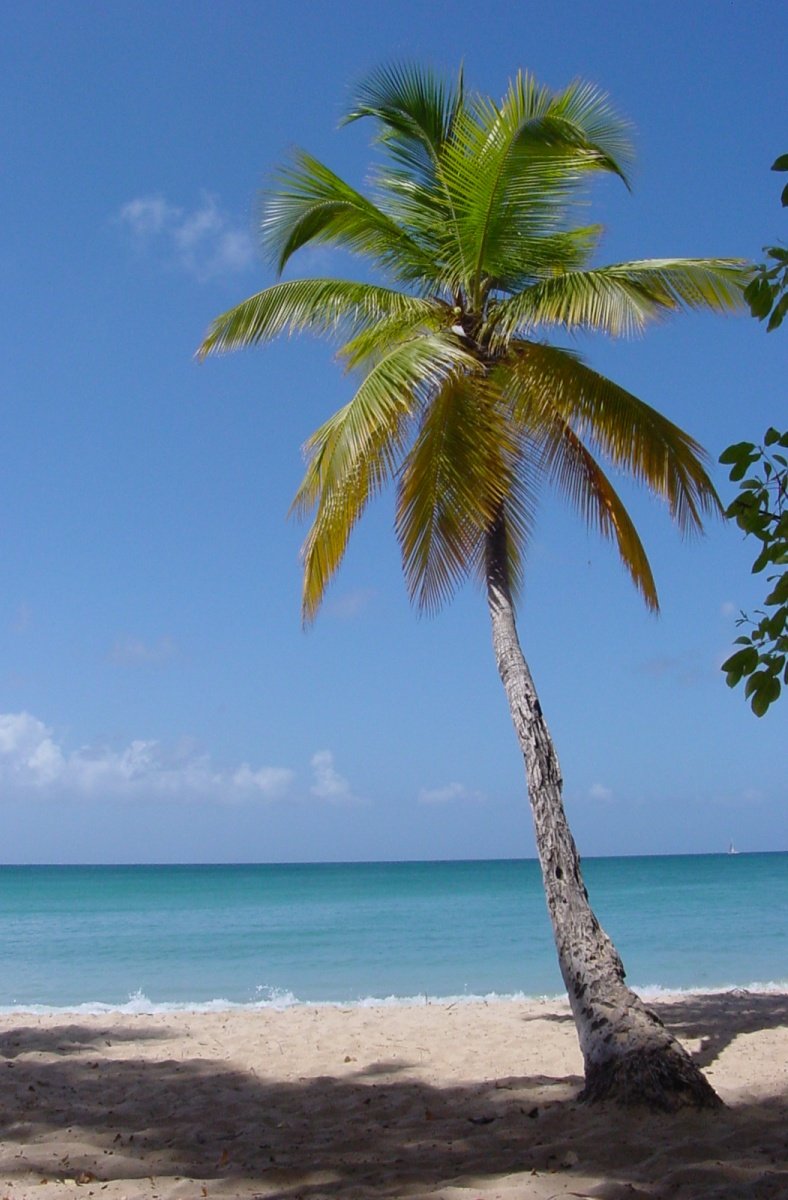
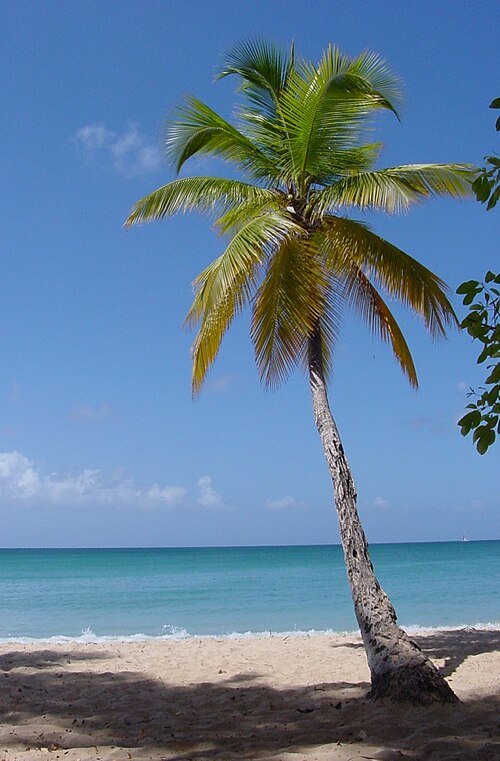
| Name | Country | Maturity | Traits |
|---|---|---|---|
| Tall Coconut (mnazi mrefu) | KE | 2555 | Tall palms, long life, many nuts, widely used for copra and drink. |
| Dwarf Coconut (mnazi mfupi) | TZ | 1460 | Shorter palms, earlier bearing, good for homesteads and tender nuts. |
| Hybrid tall × dwarf | KE | 1825 | Combines early bearing of dwarf with vigour and yield of tall types where available. |
| Stage | Product | Rate (kg/ha) | Notes |
|---|---|---|---|
| Basal | Well-rotted farmyard manure | 8000 | Applied in basins or rings under Coconut (mnazi) canopy once a year or every two years. |
| Vegetative | CAN 26% N or urea | 60 | Split into 2–3 applications on moist soil to reduce losses. |
| Bearing and fruiting | NPK + extra potassium (e.g., NPK 15-15-15 + MOP) | 100 | Higher potassium improves nut size and oil yield. |
| Name | Type | Symptoms | Management |
|---|---|---|---|
| Coconut rhinoceros beetle | pest | V-shaped cuts and holes in young fronds, reduced leaf area and poor growth in Coconut (mnazi). | Destroy breeding sites such as rotting logs and old stumps, use traps where available and remove and kill adult beetles... |
| Caterpillars and leaf feeders | pest | Chewed leaflets, skeletonised leaves and reduced leaf area. | Encourage natural enemies and use targeted biological or chemical sprays only when damage is severe. |
| Scales and mites on Coconut (mnazi) | pest | Yellowing leaves, small insects or mites on leaf undersides and possibly sooty mould. | Improve tree vigour with good nutrition, wash small trees with water and soap where practical and use selective miticide... |
| Bud rot and stem rots | disease | Rotting growing point, foul smell, collapse of central spear leaves and eventual death of the palm. | Ensure good drainage, avoid injury to the crown and remove and destroy severely affected palms to protect others. |
| System | Typical | Min | Max | Notes |
|---|---|---|---|---|
| Low-input homestead Coconut (mnazi) | 2 | 1 | 3 | Scattered trees around homes; roughly 30–50 nuts per palm per year. |
| Managed coconut grove (rainfed) | 4 | 2.5 | 6 | Regular weeding, manuring and some fertilizer use; 60–100 nuts per palm per year. |
| Intensive irrigated Coconut (mnazi) | 8 | 5 | 10 | Good varieties, irrigation, fertilization and pest control; high nut counts per palm. |
| Country | Region | Planting | Harvest |
|---|---|---|---|
| KE | Coastal Coconut (mnazi) belt | Start of long or short rains so young palms establish well. | Mature palms bear all year with peaks after rainy seasons. |
| TZ | Coastal and island Coconut (mnazi) zones | Any time with irrigation; otherwise at onset of main rains. | Continuous harvest with flushes linked to rainfall pattern. |
| UG | Warm low-lying lakeshore pockets | Start of rainy season on well-drained sites near water. | Year-round harvest once bearing, with peaks after rains. |
| Country | Region | Suitability |
|---|---|---|
| KE | Coastal strip and lower coastal hinterland | High |
| TZ | Coastal belt and islands (including Zanzibar and Pemba) | High |
| UG | Warm lakeshore and low-lying areas | Medium |